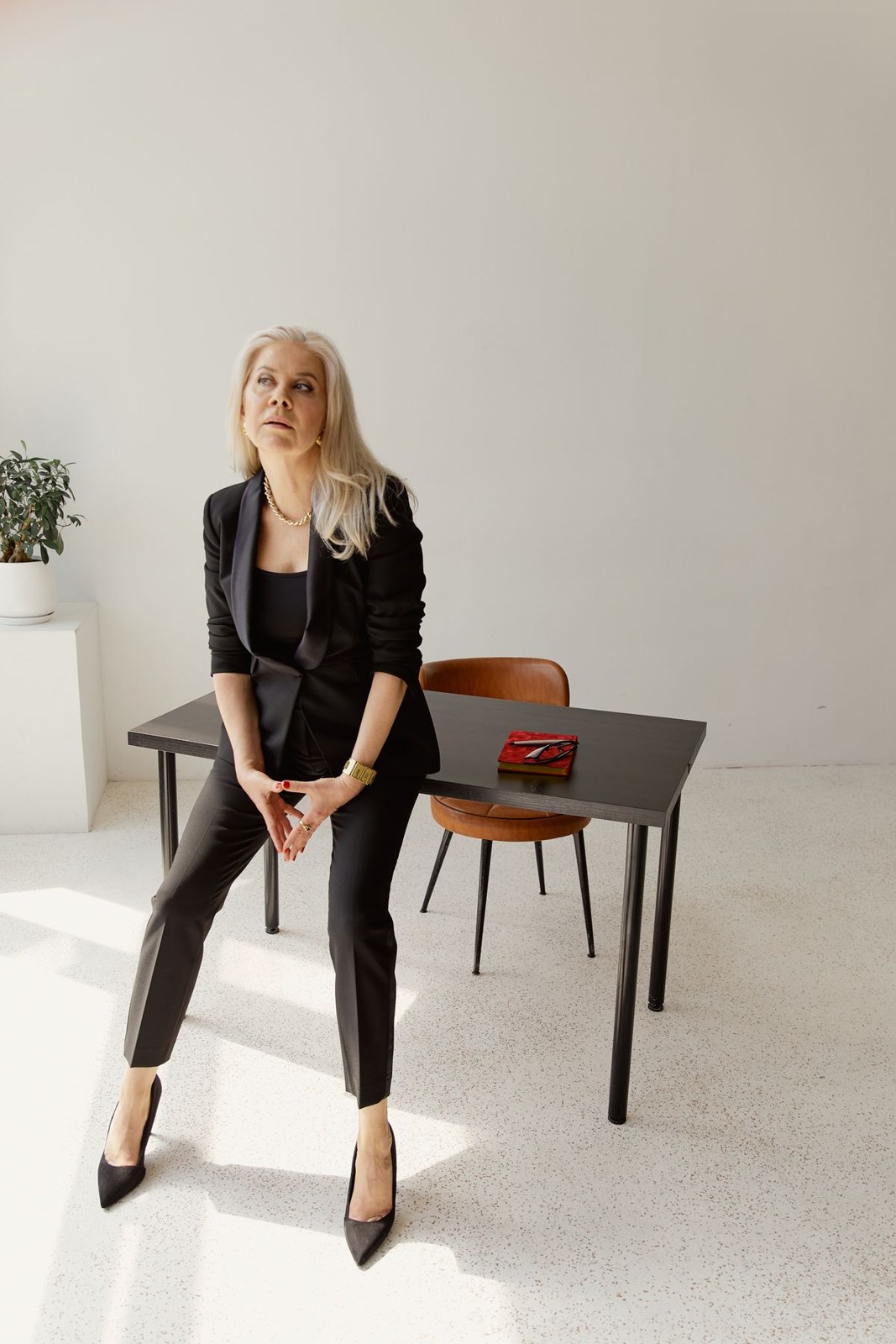
Office & business casual
A black blazer and cropped trousers for the office
A dark outfit benefits from clear hems, seated fit checks and deliberate contrast.
Made for everyday life
Considered shapes and comfortable details. Find a way of dressing that works for your workplace.
45 articlesA dark outfit benefits from clear hems, seated fit checks and deliberate contrast.
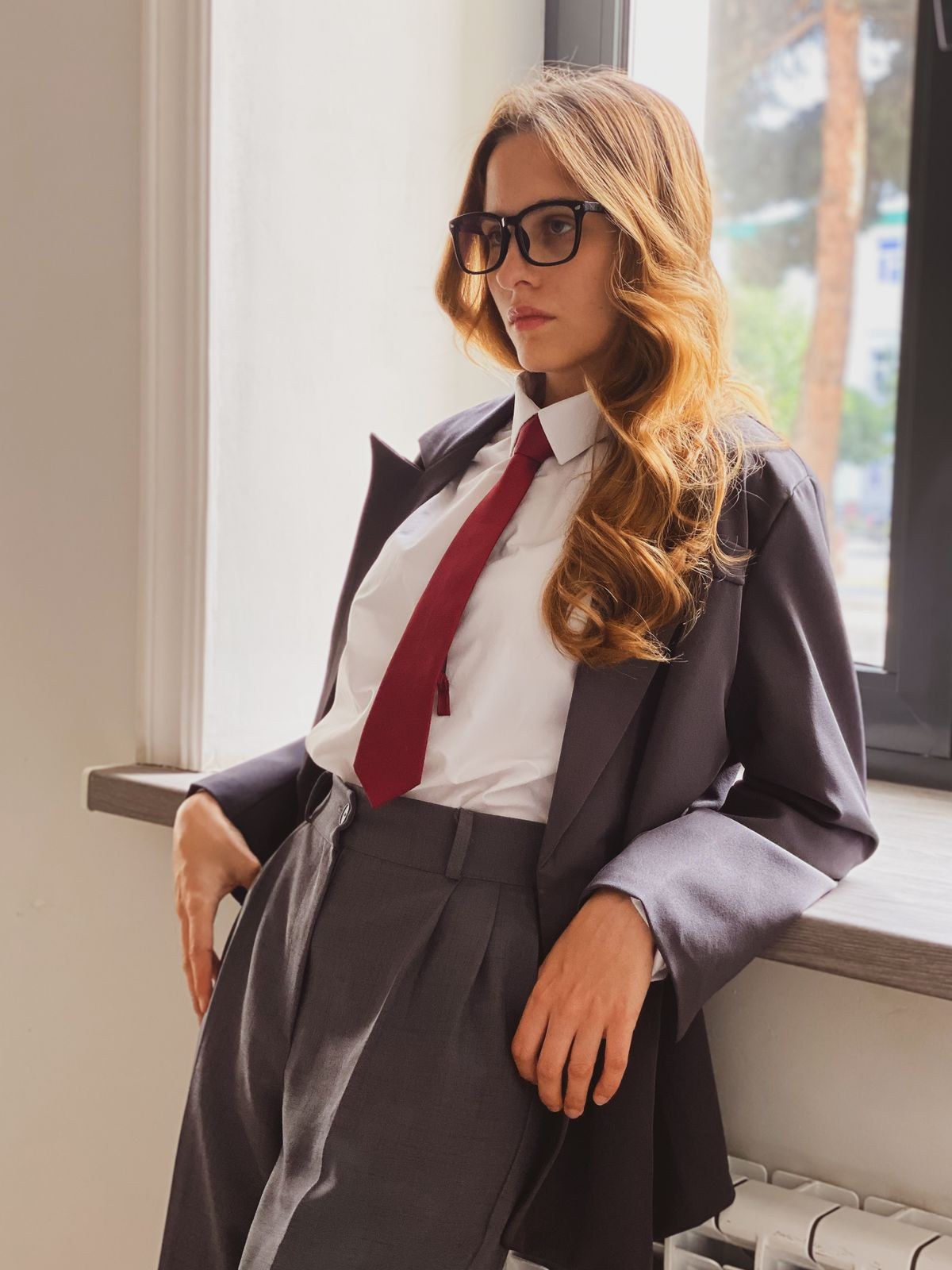
One strong accent changes a classic combination of grey and white.
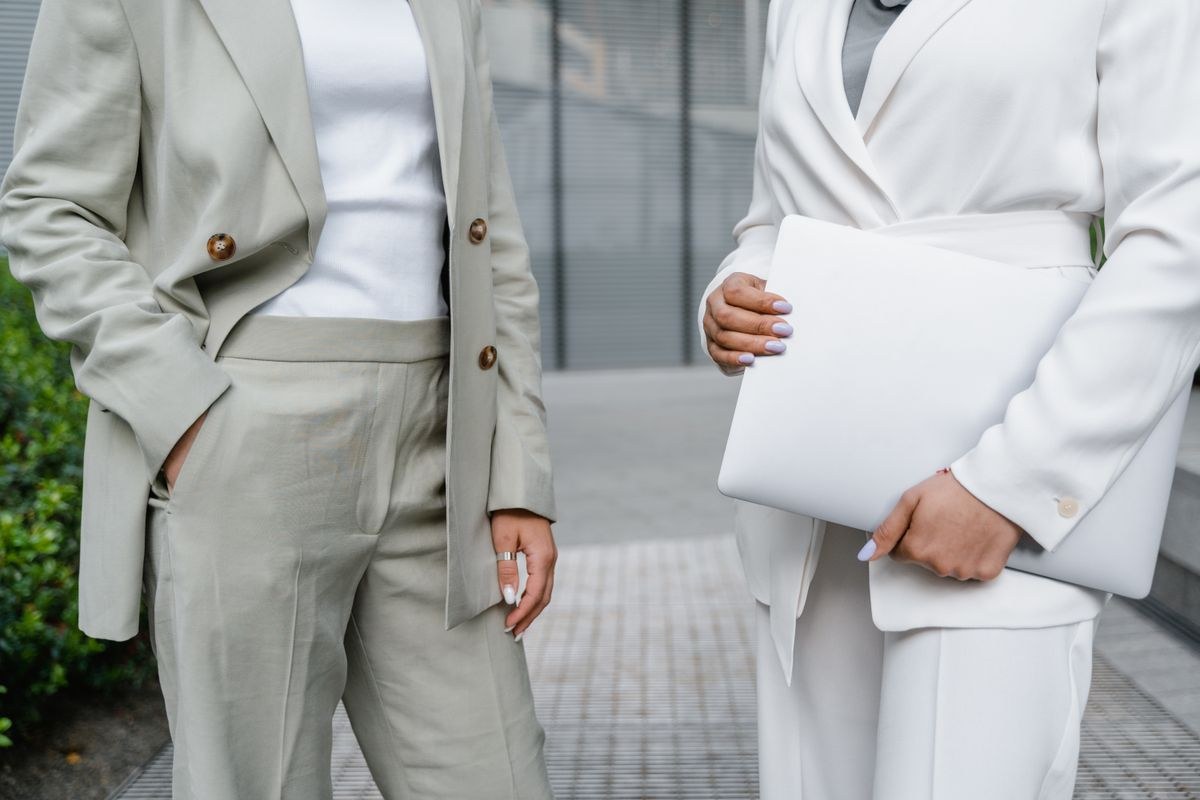
Two different fastenings offer practical ways to organise a pale office combination.
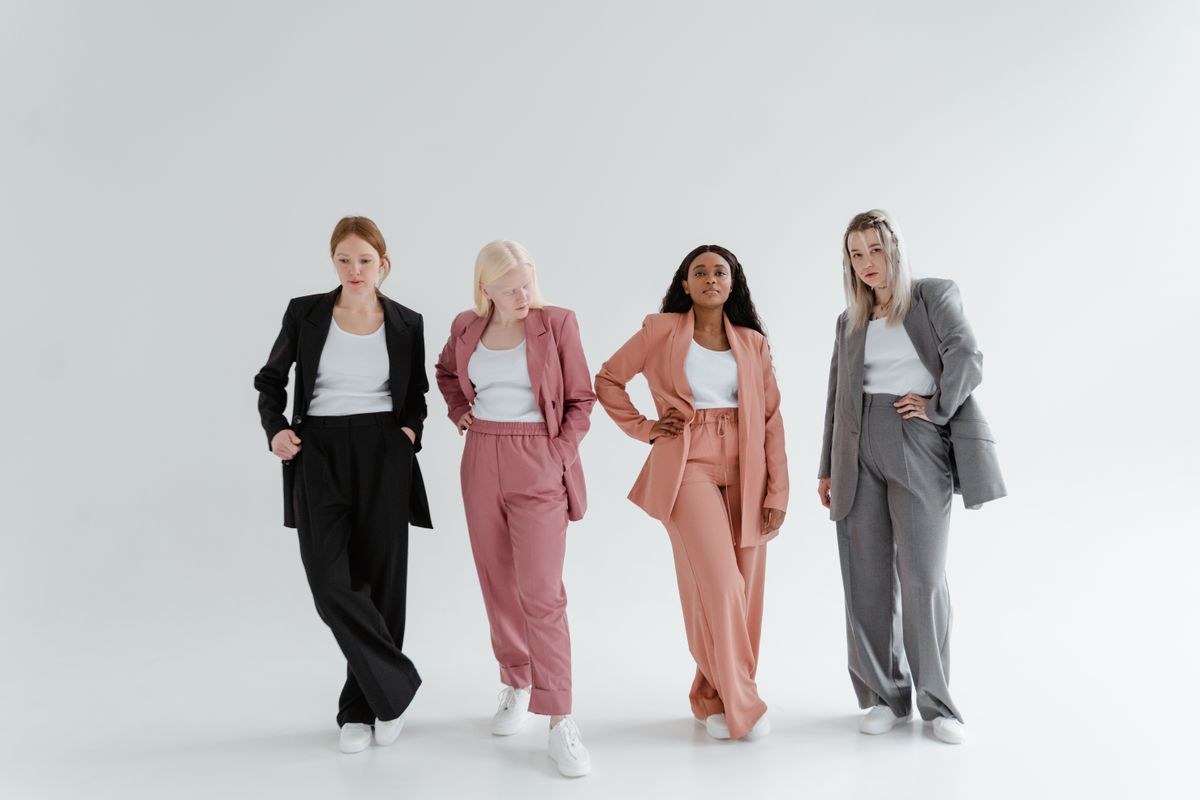
From pink to grey, a suit colour can connect with a pale, simple base.

A pale top and comfortable shoulders support an outfit for reading, meetings and screen work.
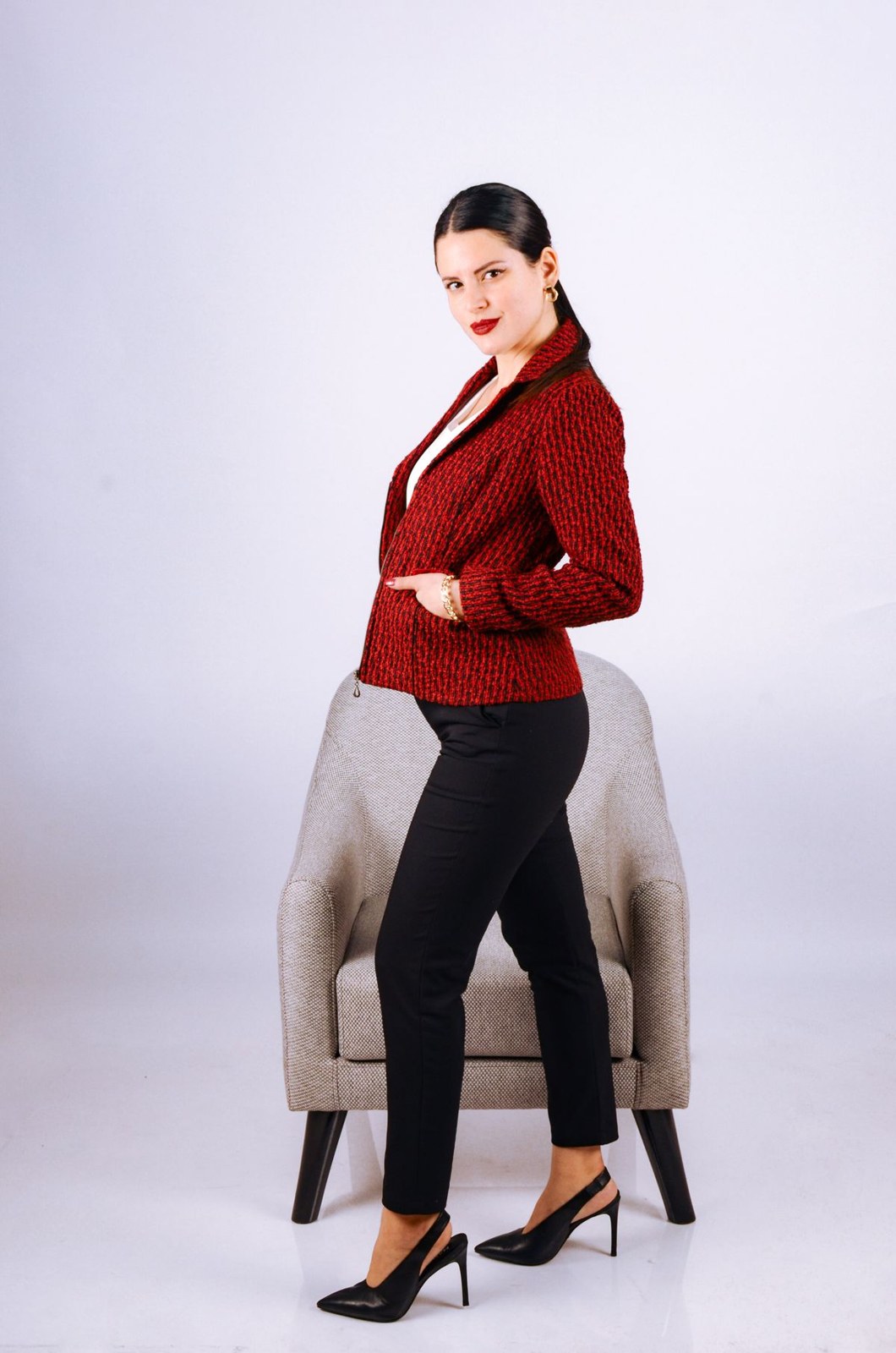
A more distinctive jacket texture can lead while the rest of the combination stays quiet.
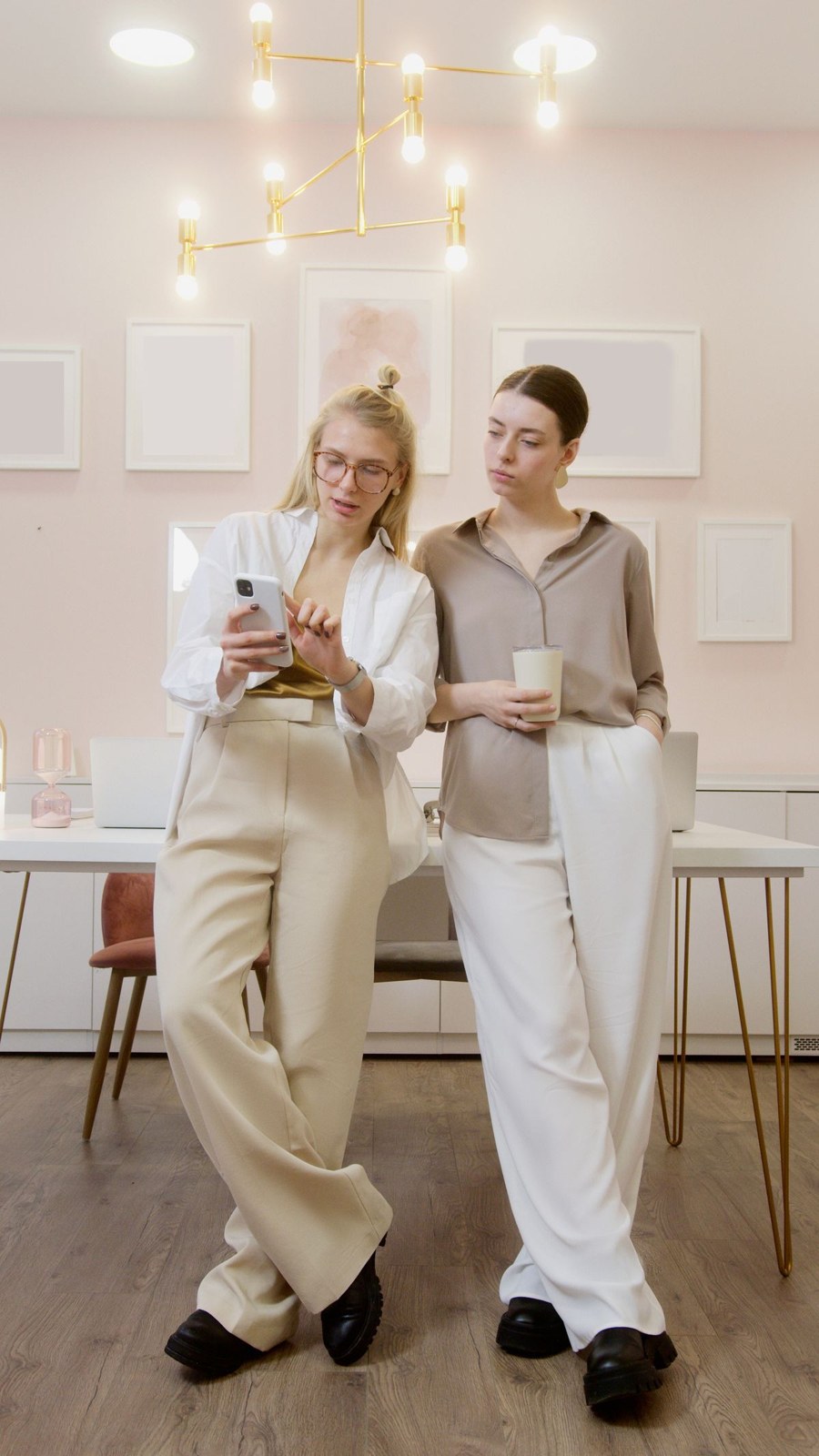
Two pale-trouser combinations offer different layers for a warm working day.
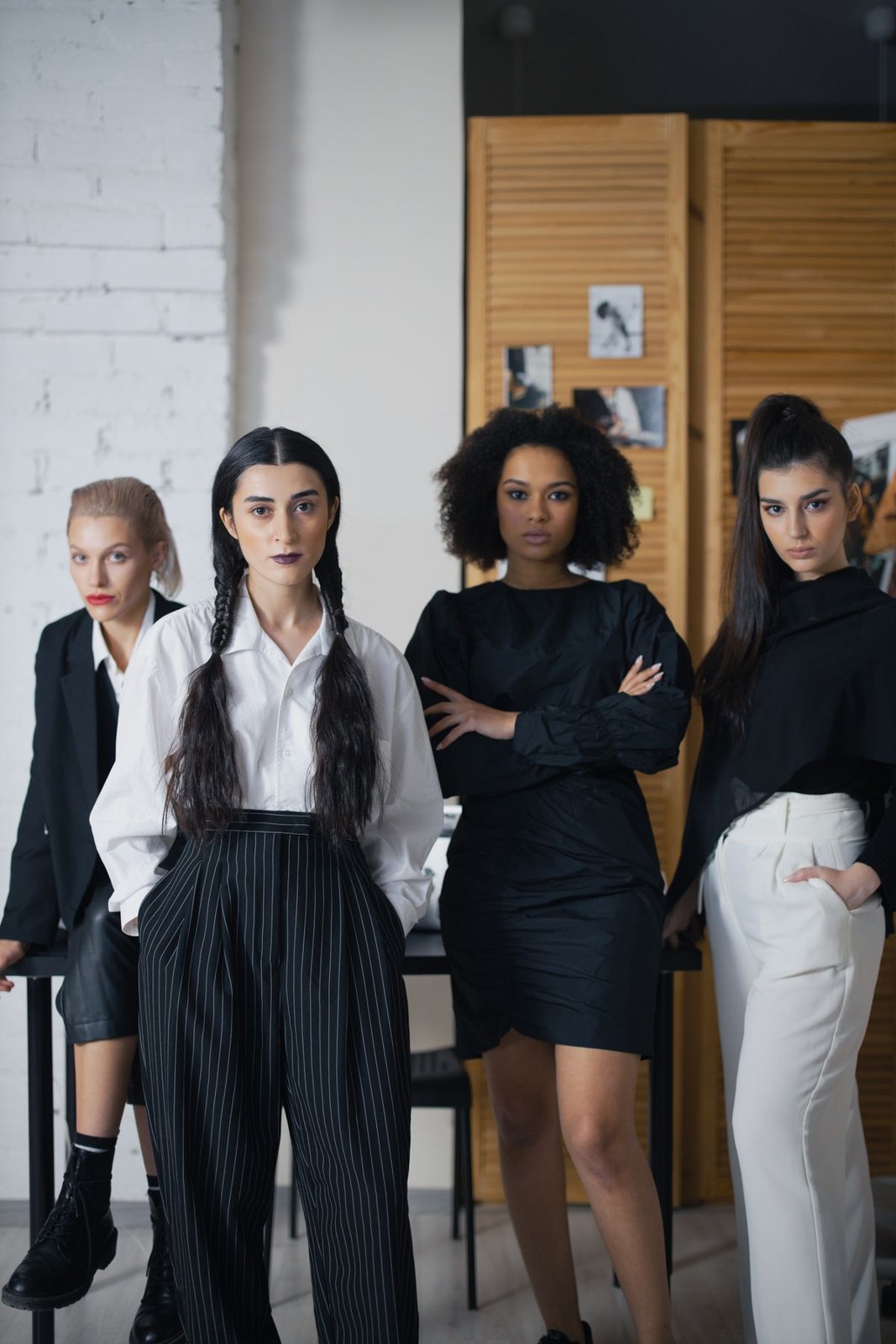
A black-and-white combination can stay clear and movable with a few considered decisions.

A matching set mainly needs a suitable setting and an honest seated fit check.
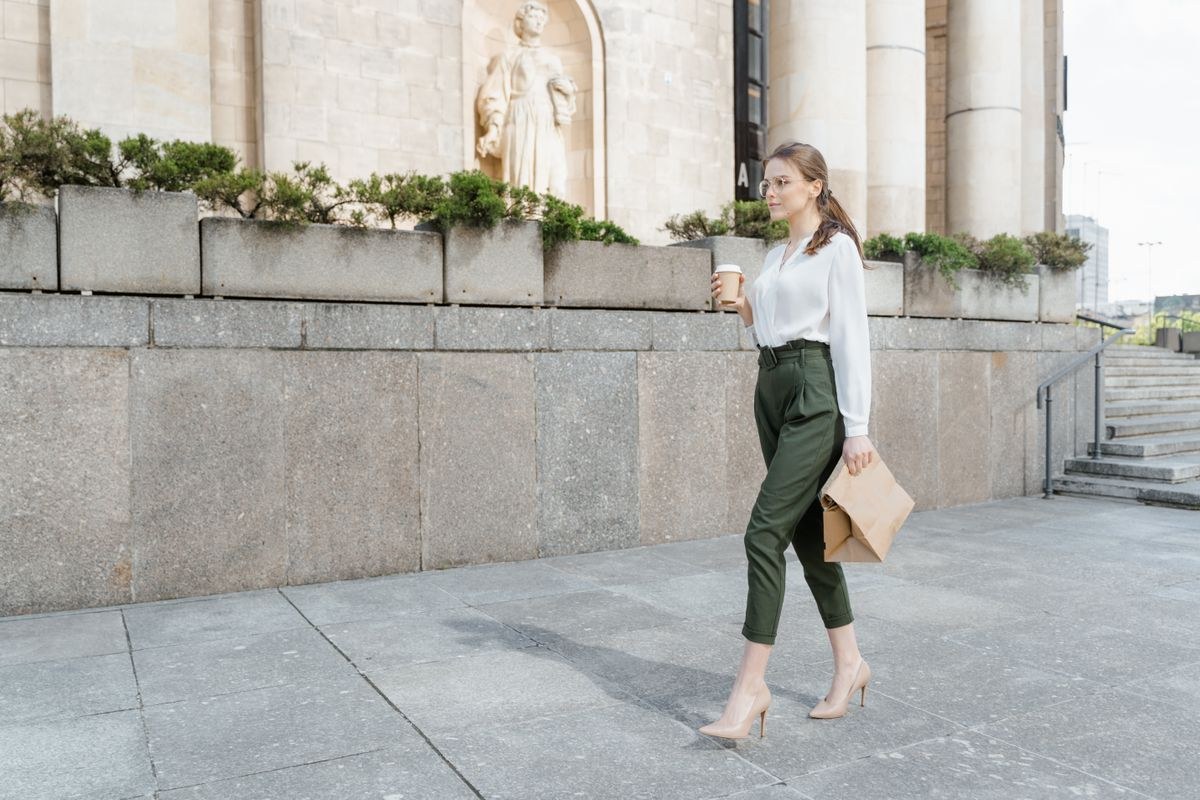
Pale shoes and a small bag can connect this quiet office combination.

A pale colour combination can suit an informal workplace with white trainers.
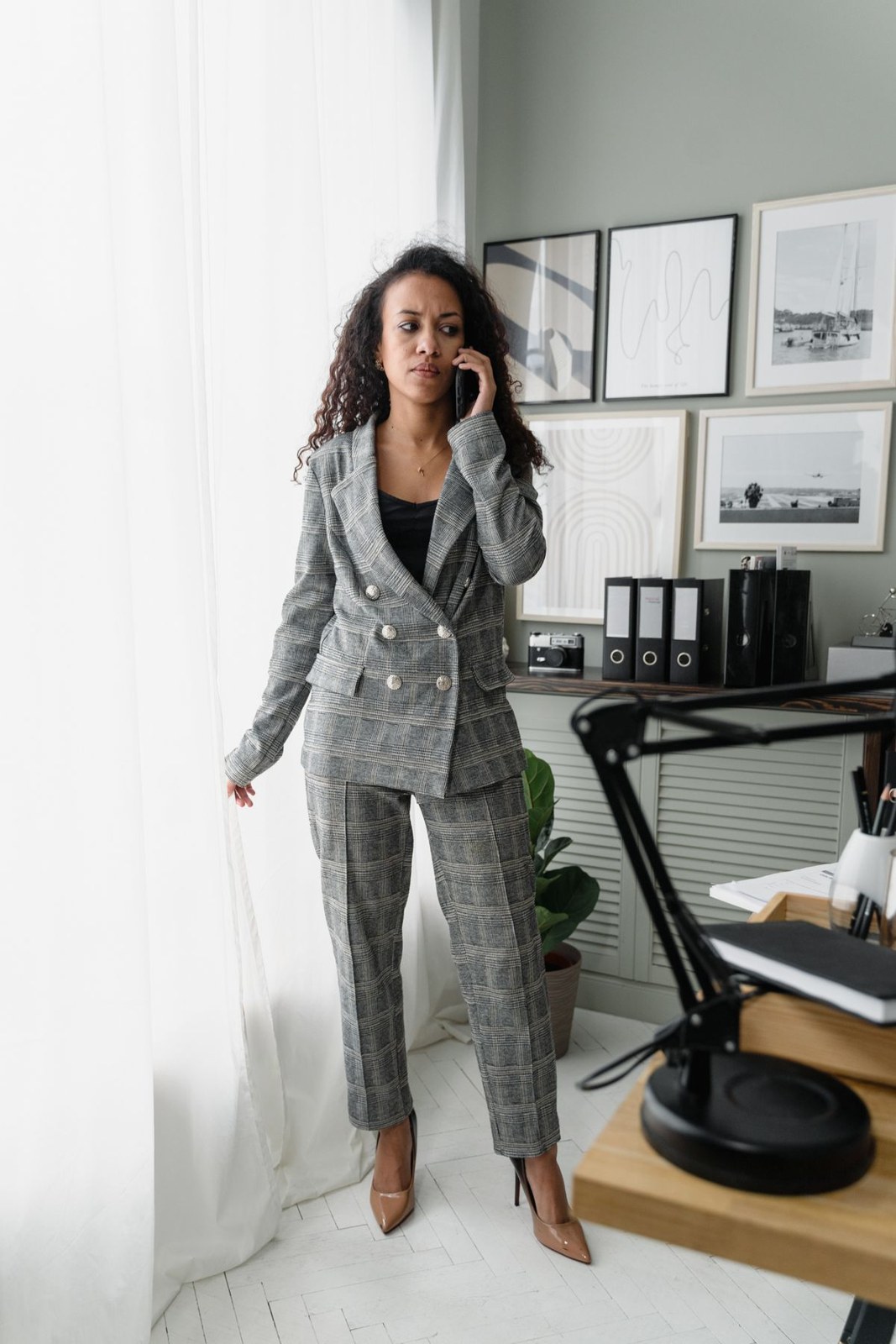
A dark top gives the pattern room; the fastened blazer needs a comfortable seated check.
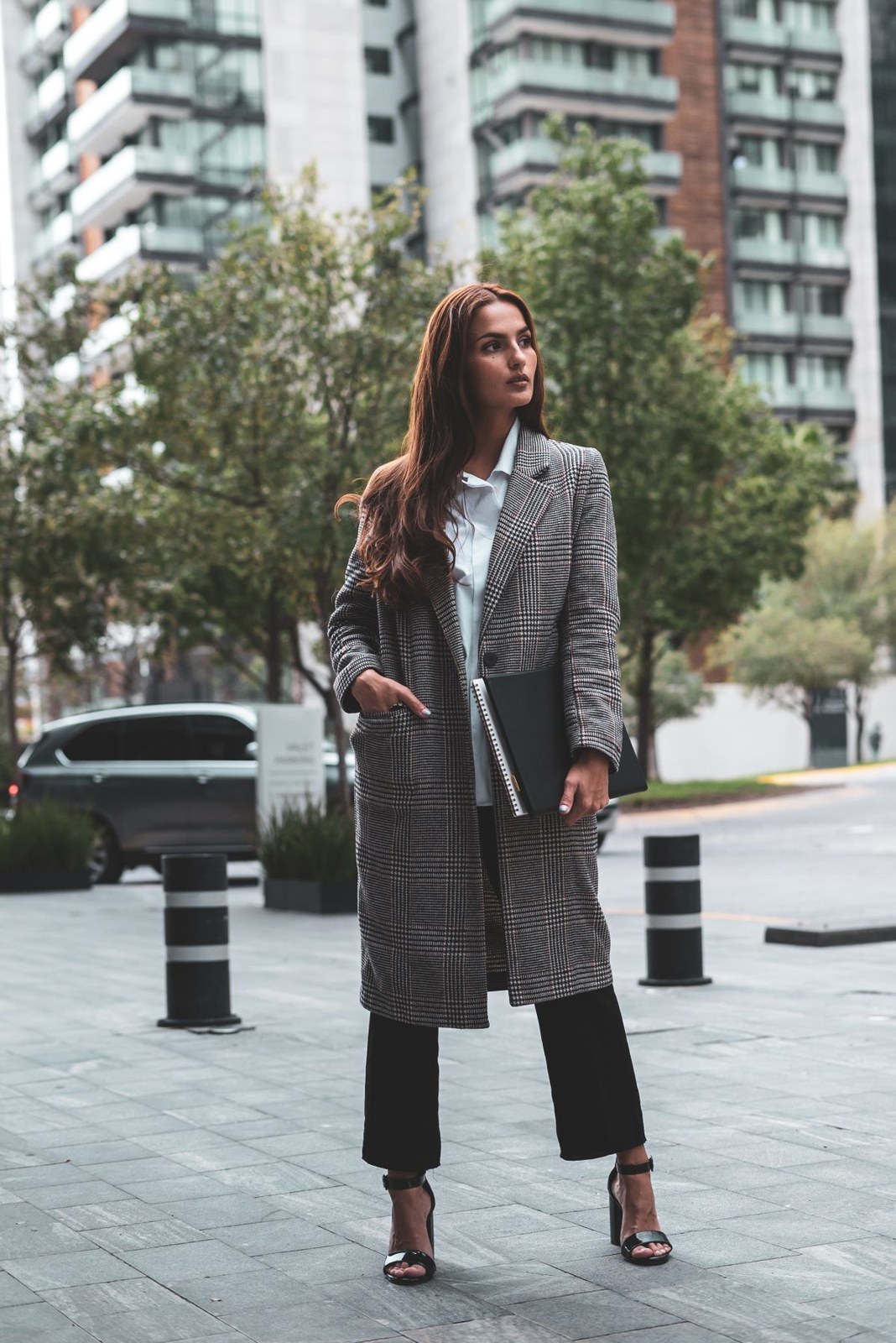
The outer layer can carry the pattern while the office base beneath stays simple.
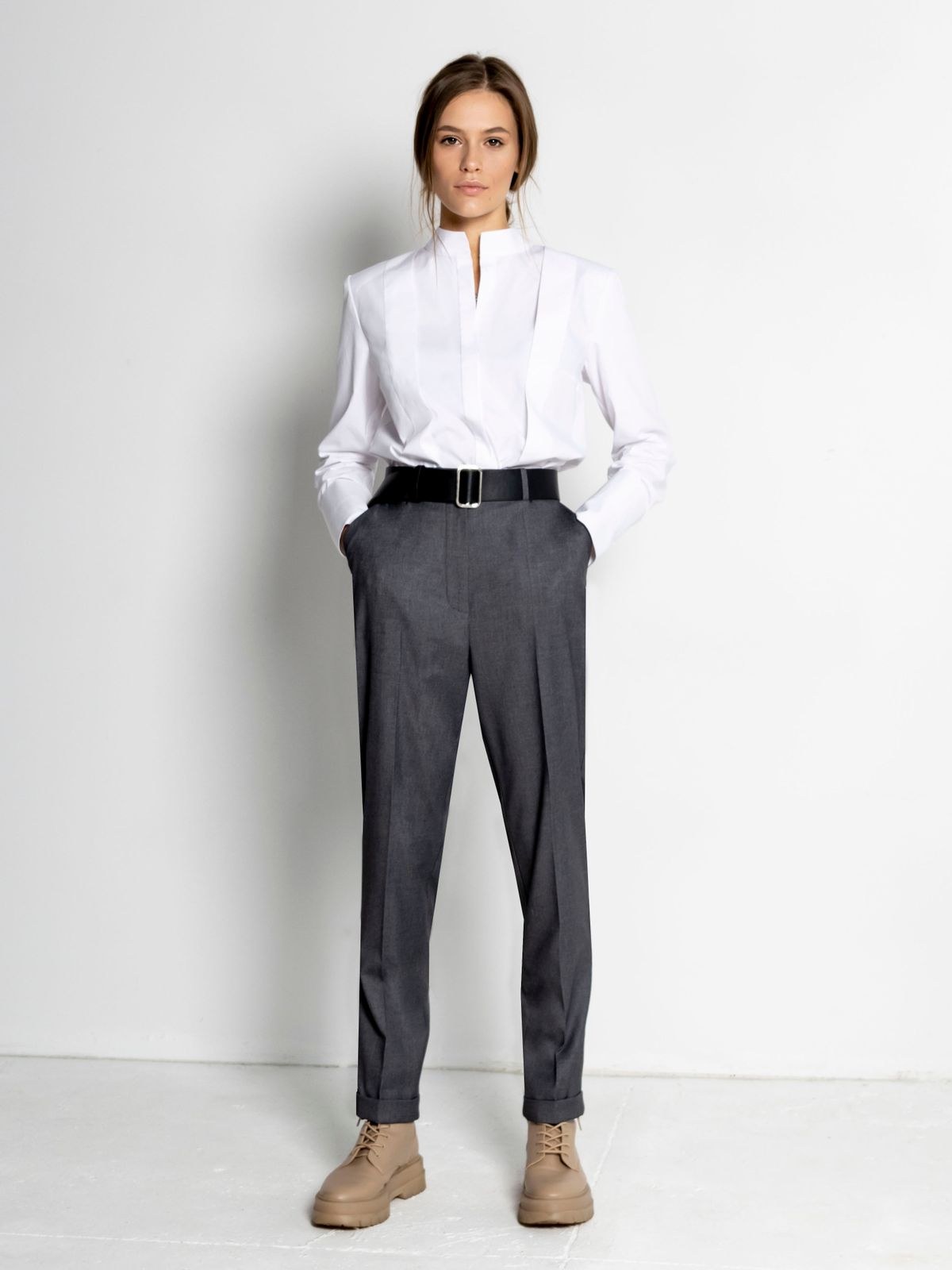
A dark belt and warm-toned shoes give a clear office base different accents.
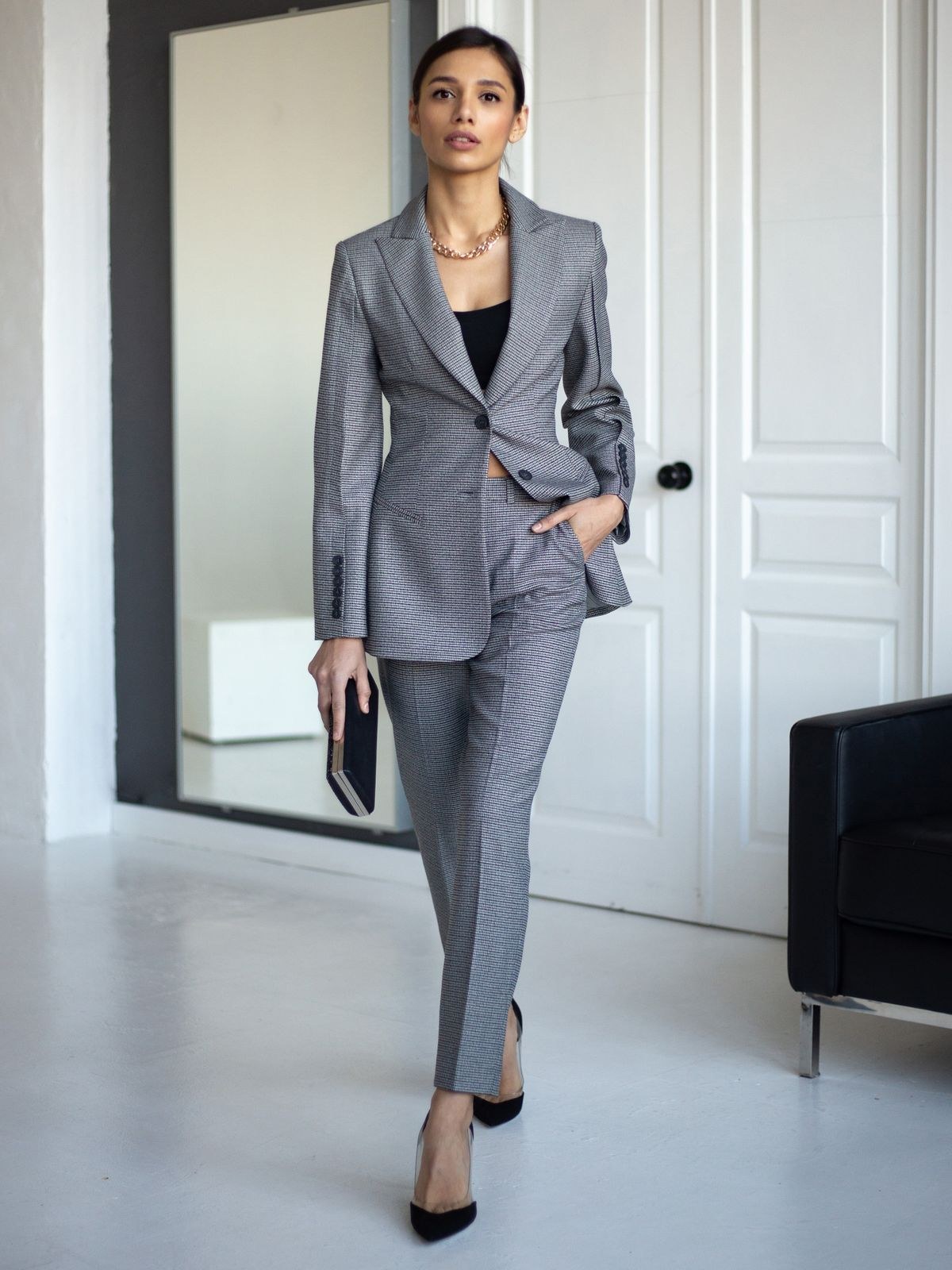
A simple combination stays movable when the folder, seated fit and jacket front are planned together.
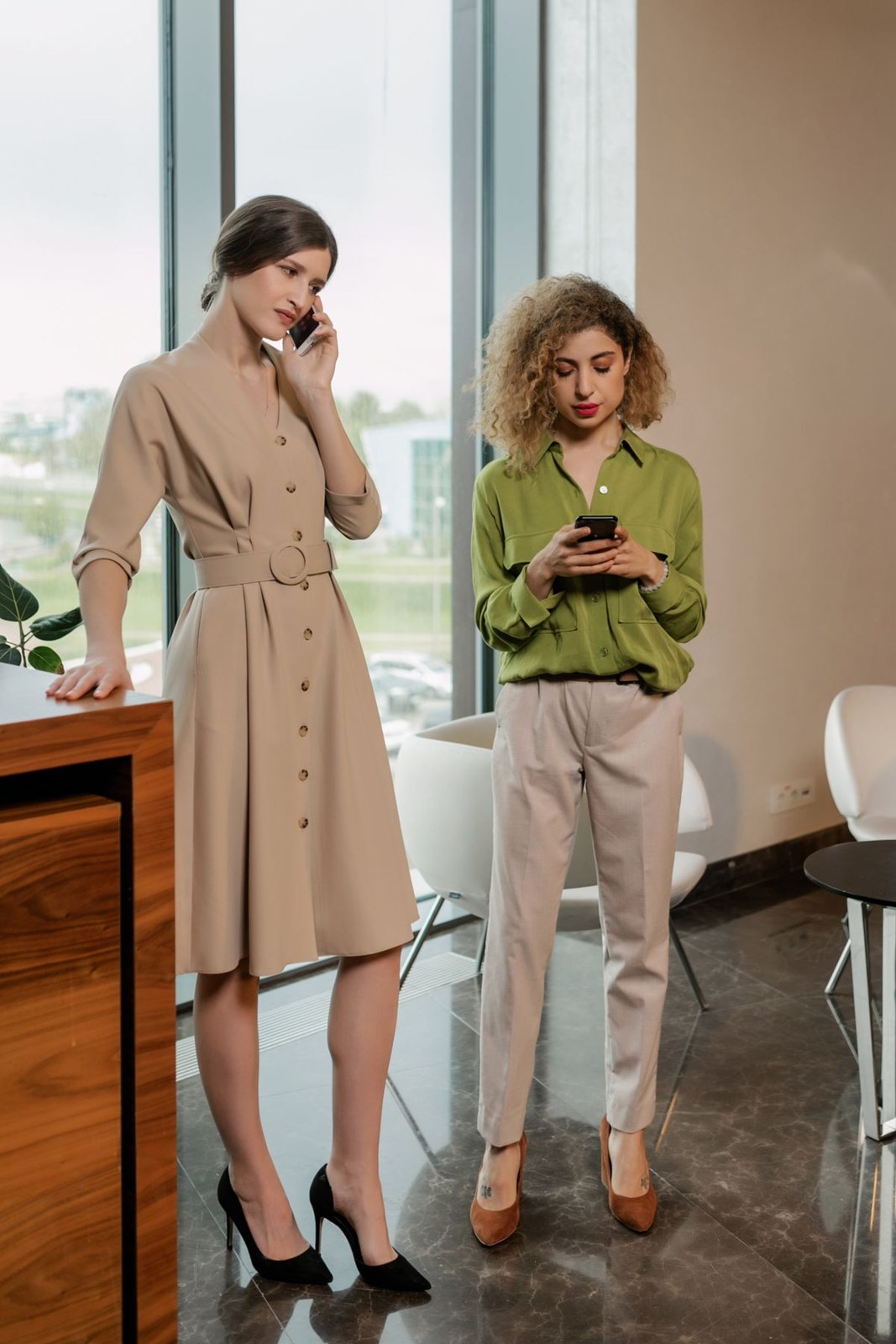
Two warm colour combinations offer a choice between a one-piece outfit and separate basics.
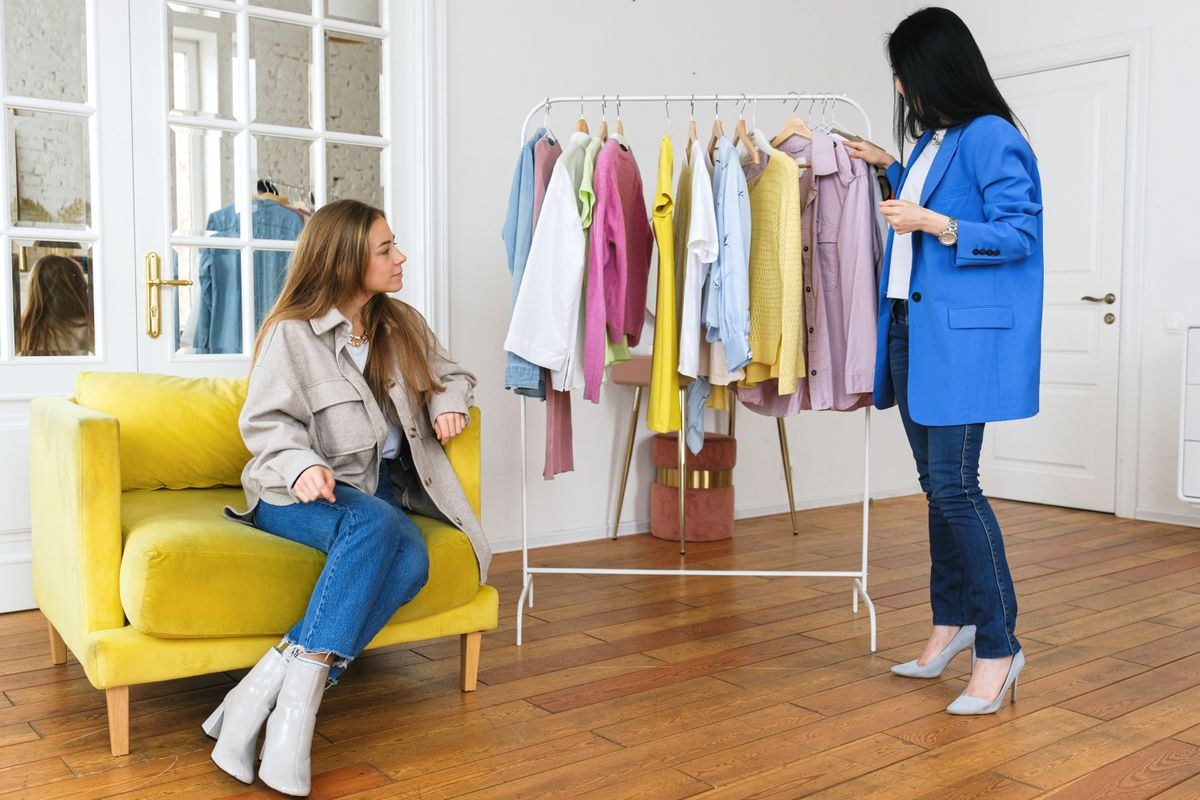
In a relaxed workplace, a pale shoe accent can change a familiar jeans base.
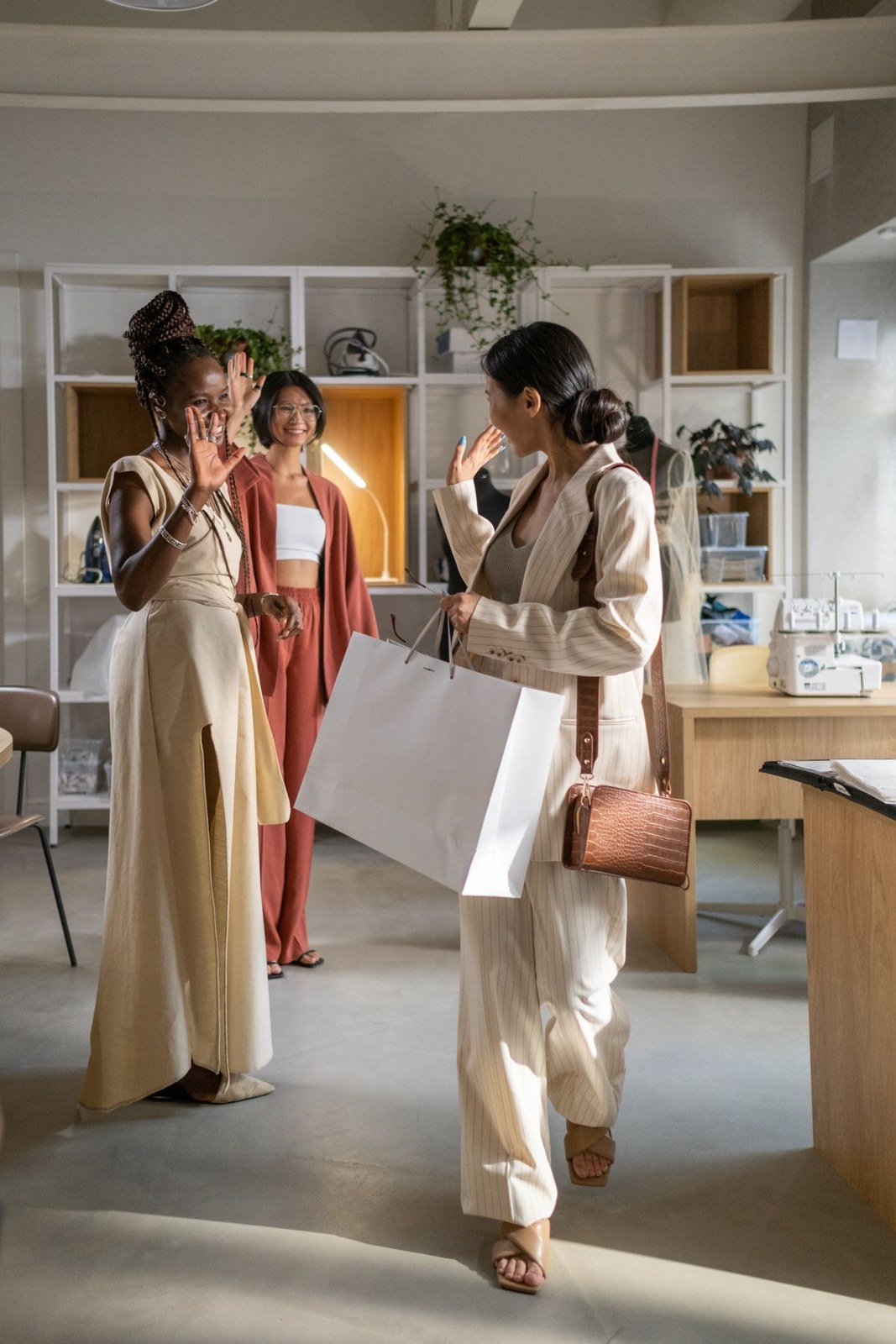
A pale suit can gain one strong accessory for a suitable occasion.

Pale double denim can work in an informal setting with white trainers and a dark bag.

A smaller colour area and quiet frame create a clear upper combination.
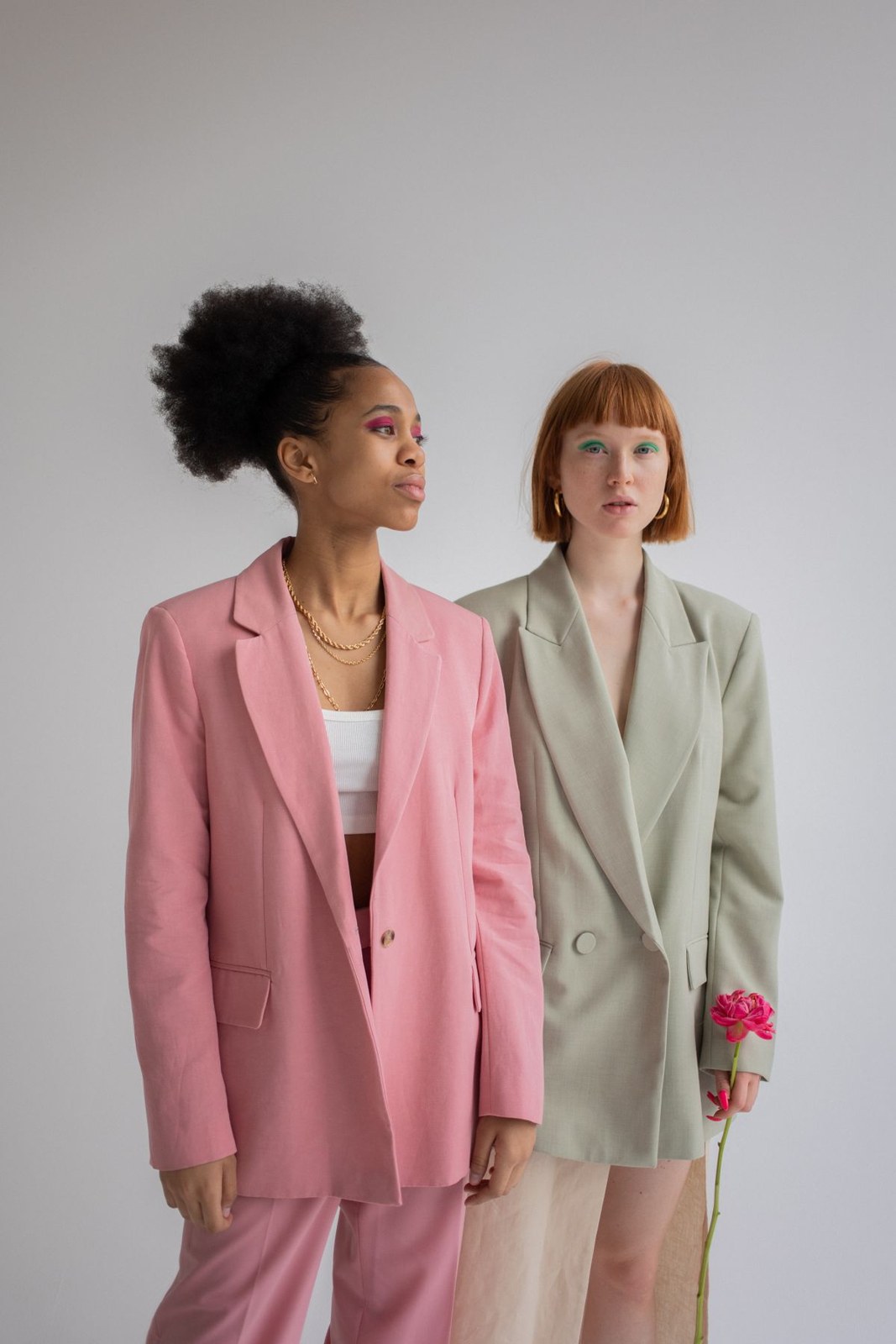
Make a loose pink suit feel useful for an ordinary working day with a quiet foundation.
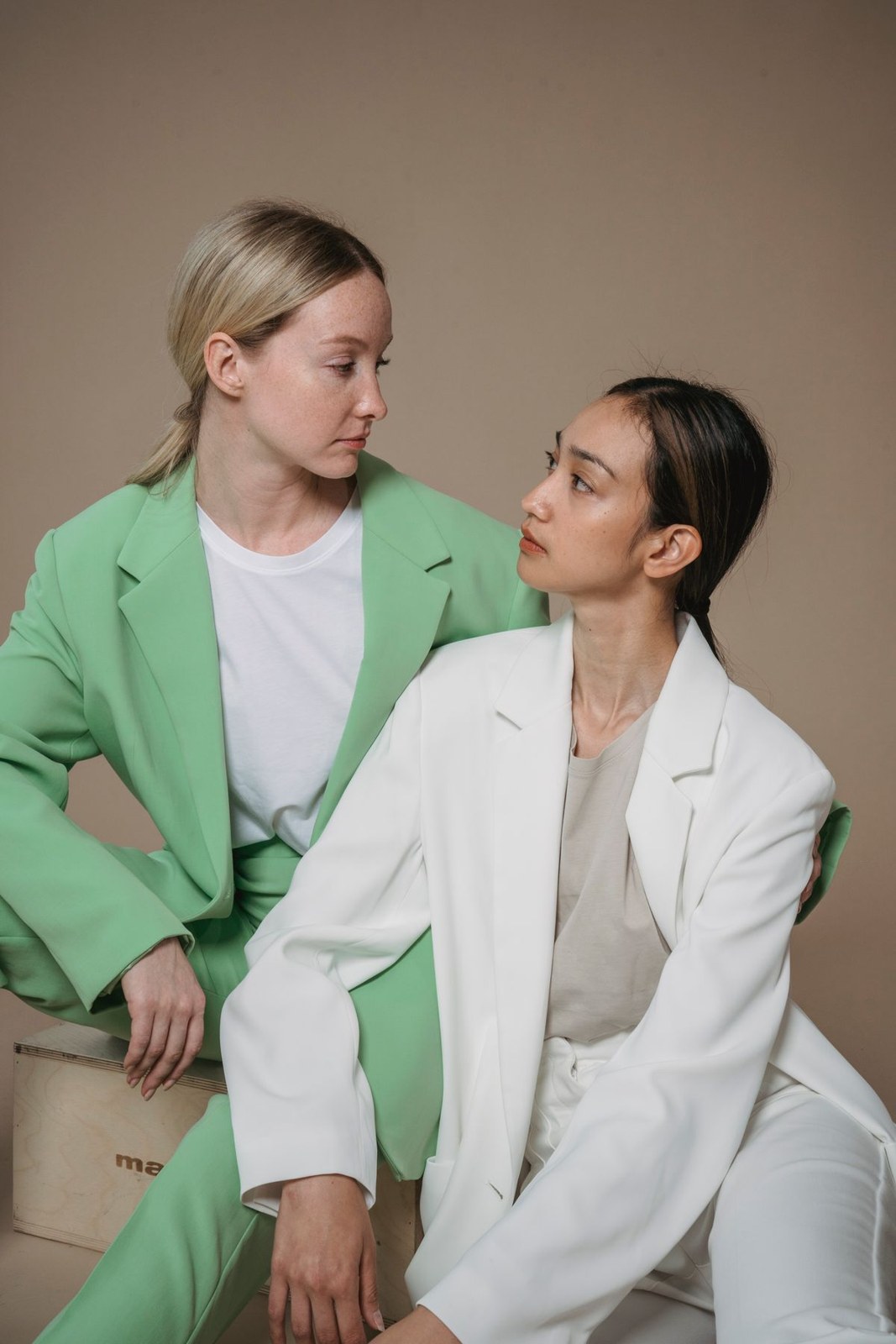
A relaxed alternative to a shirt, with attention to the neckline, seated fit and everyday practicality.
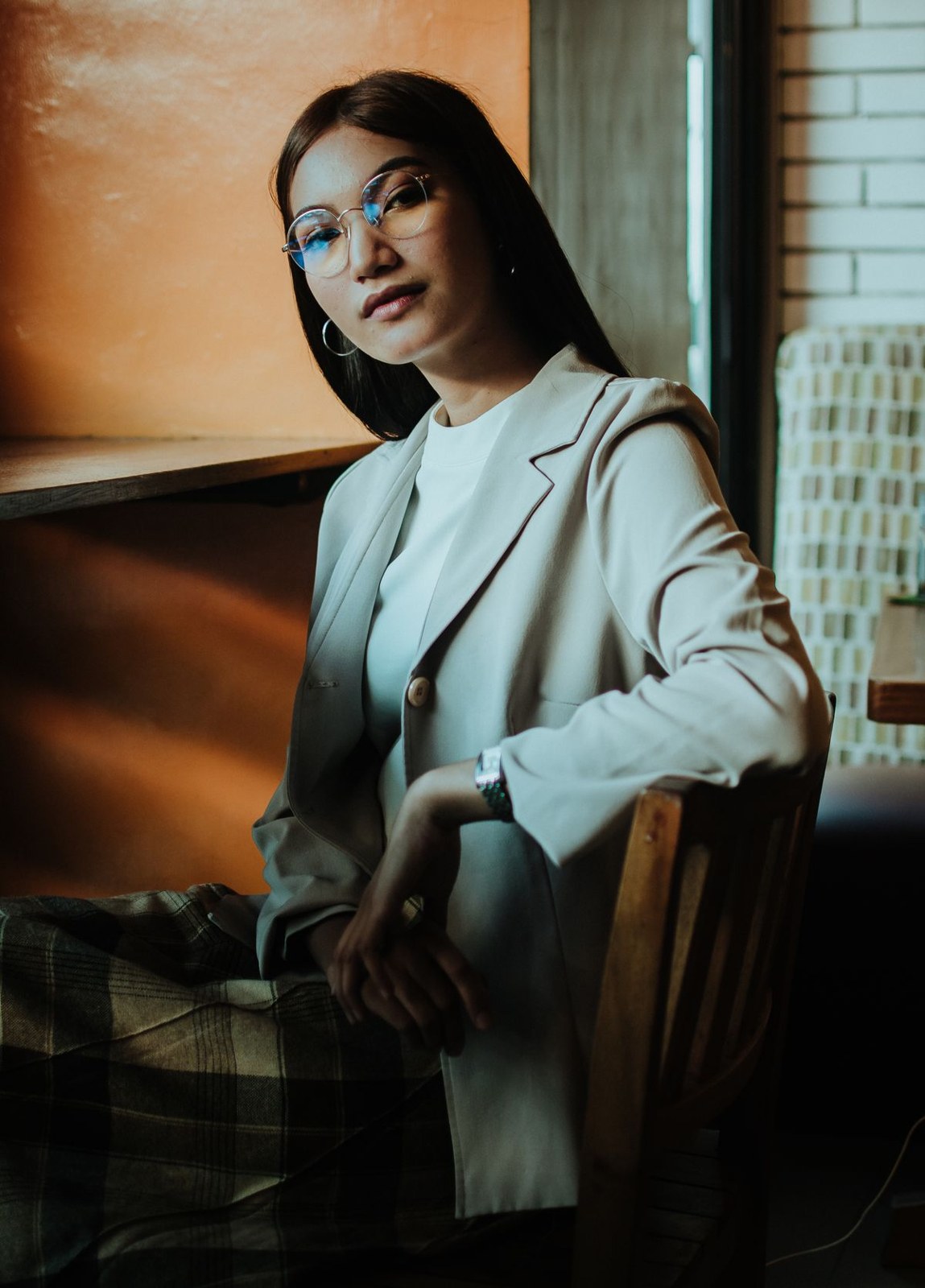
Collar lines, lighting and seated comfort matter more than adding extra accessories.
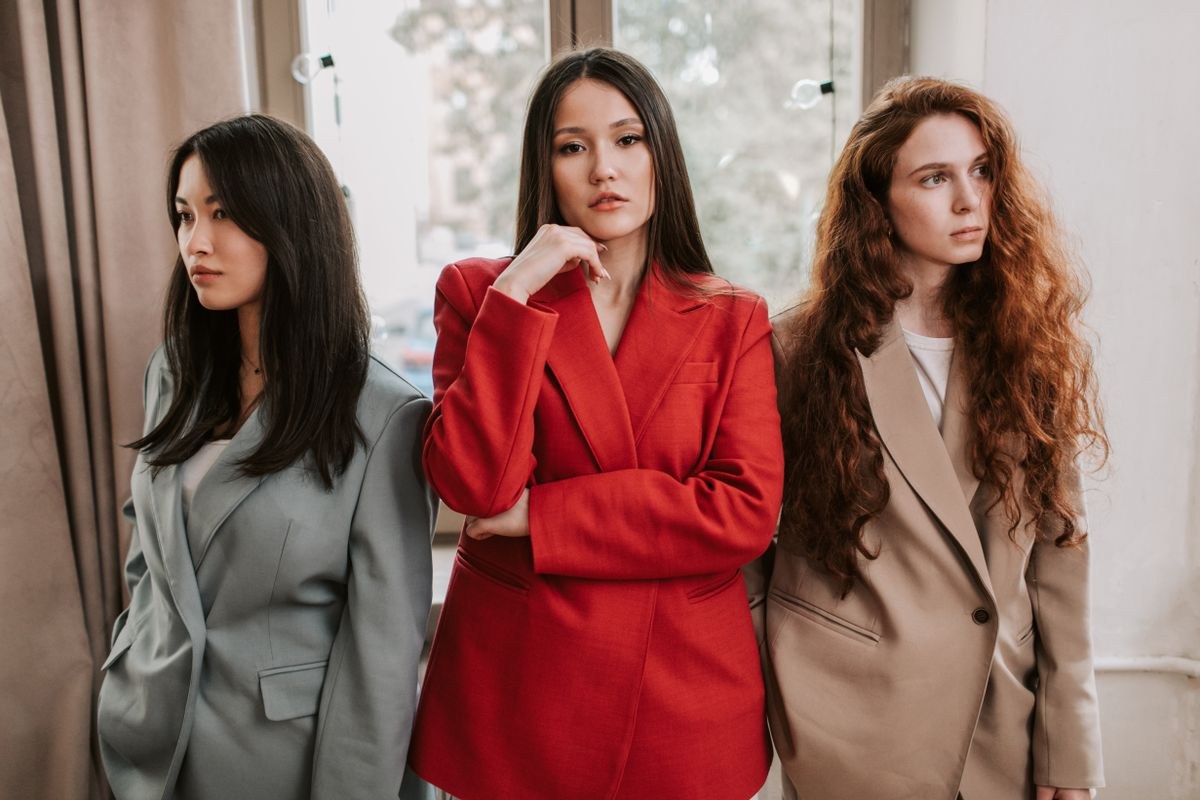
Grey, red or tan: start by deciding what you want the jacket colour to do.
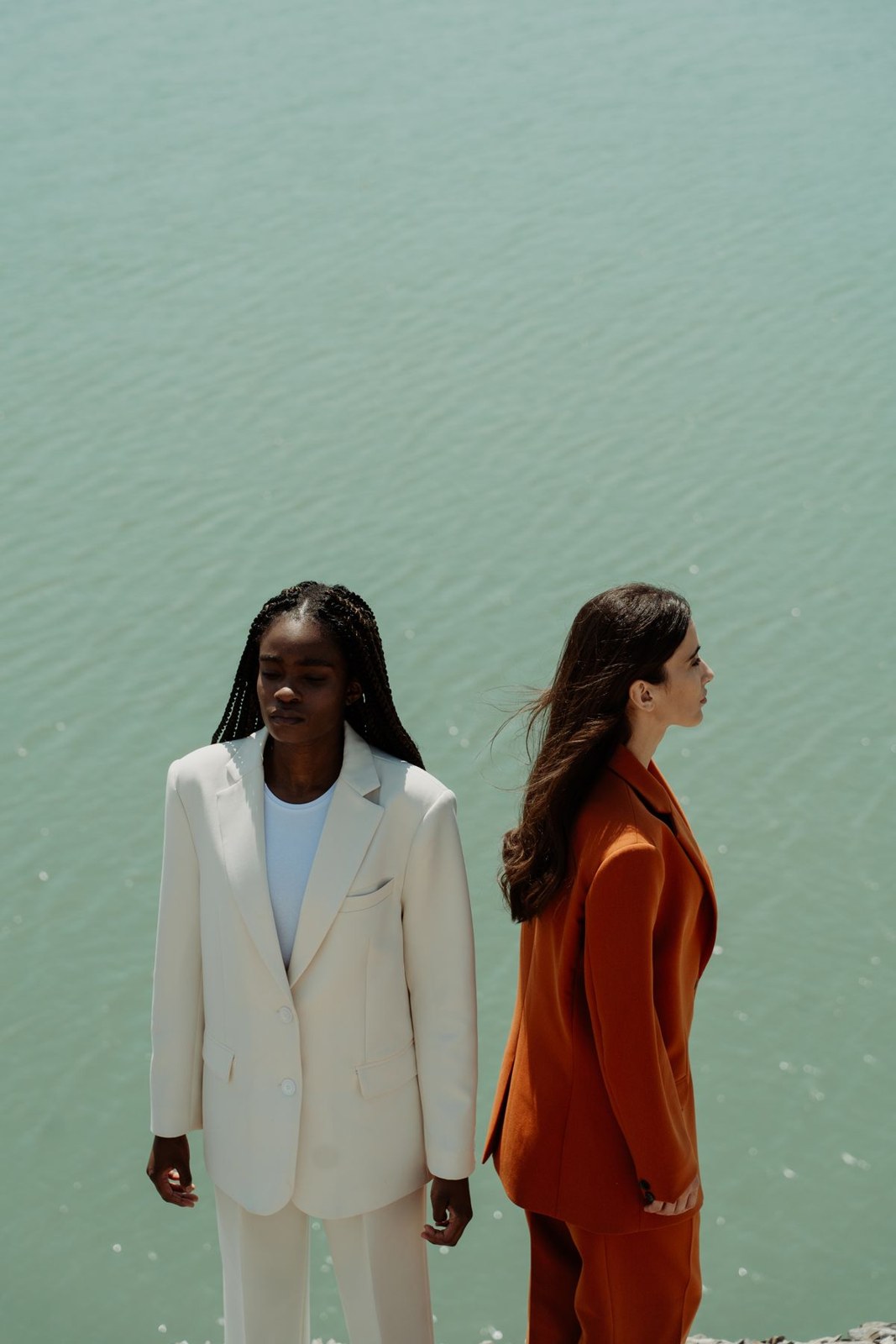
A pale or bright colour works best with practical decisions about the ground, wind and extra layers.

Keep the clean proportions of a cropped light layer while choosing the coverage you prefer.
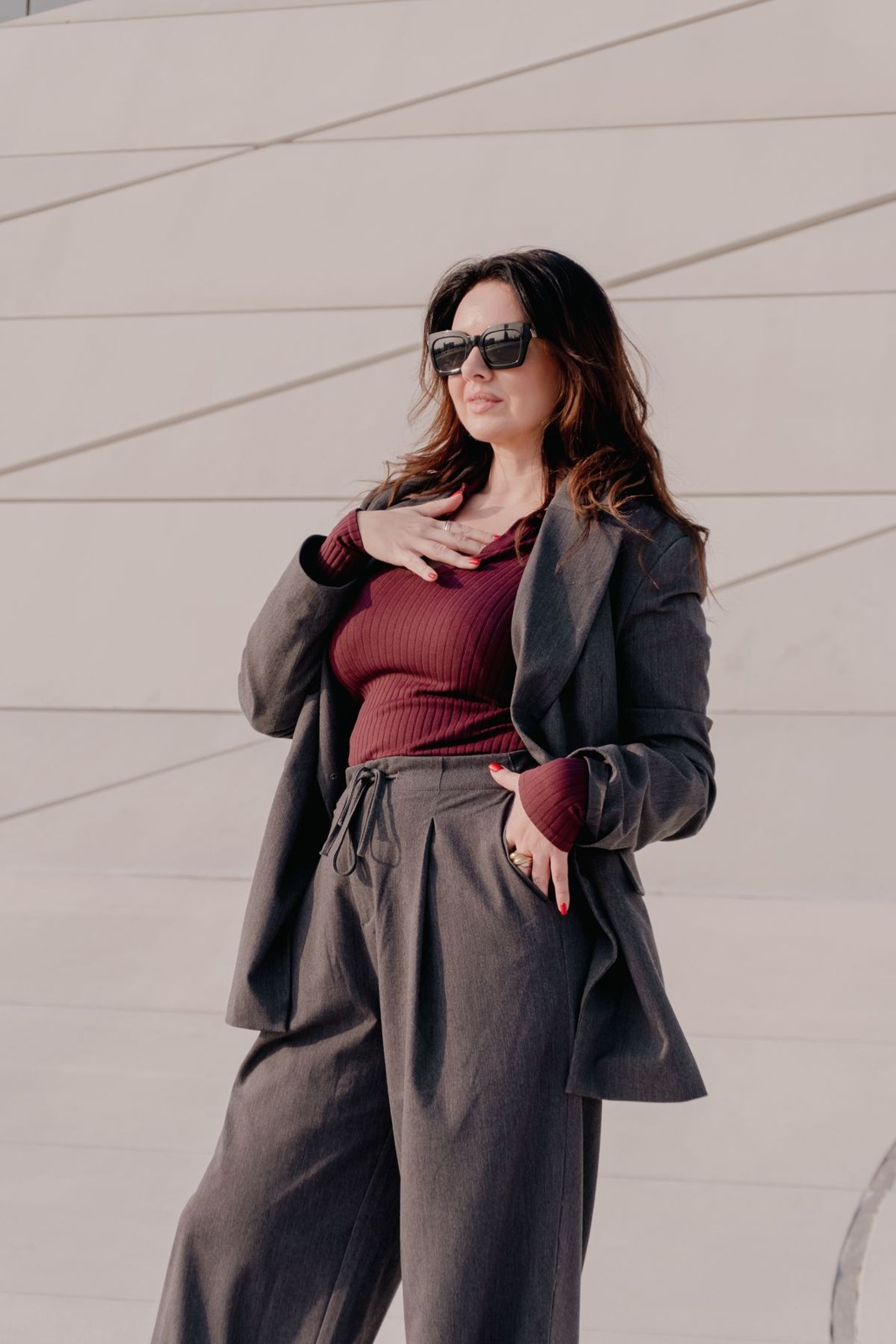
A dark-red top changes a loose grey suit without needing extra pattern.
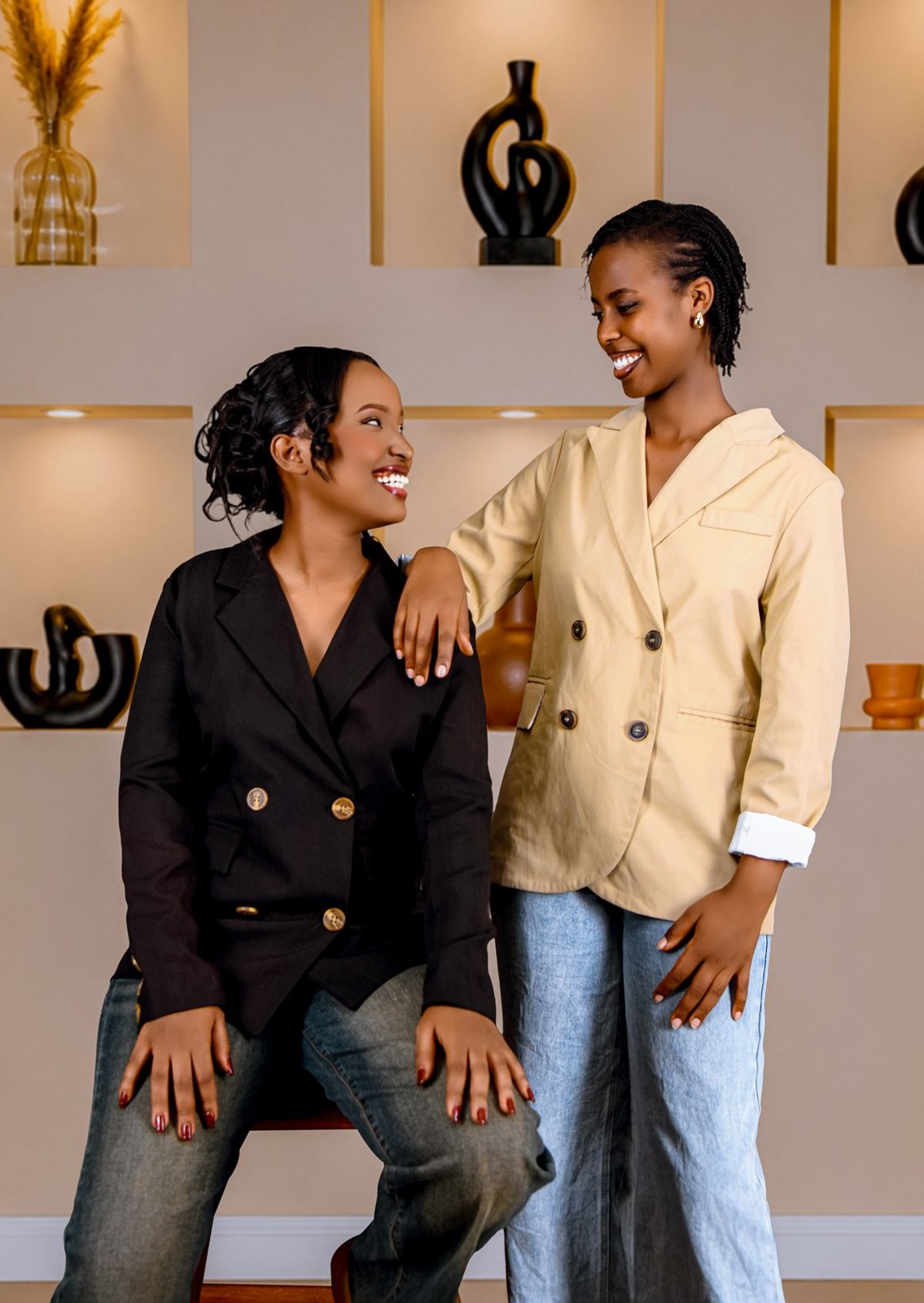
The button arrangement adds structure while jeans and a simple base keep the combination relaxed.
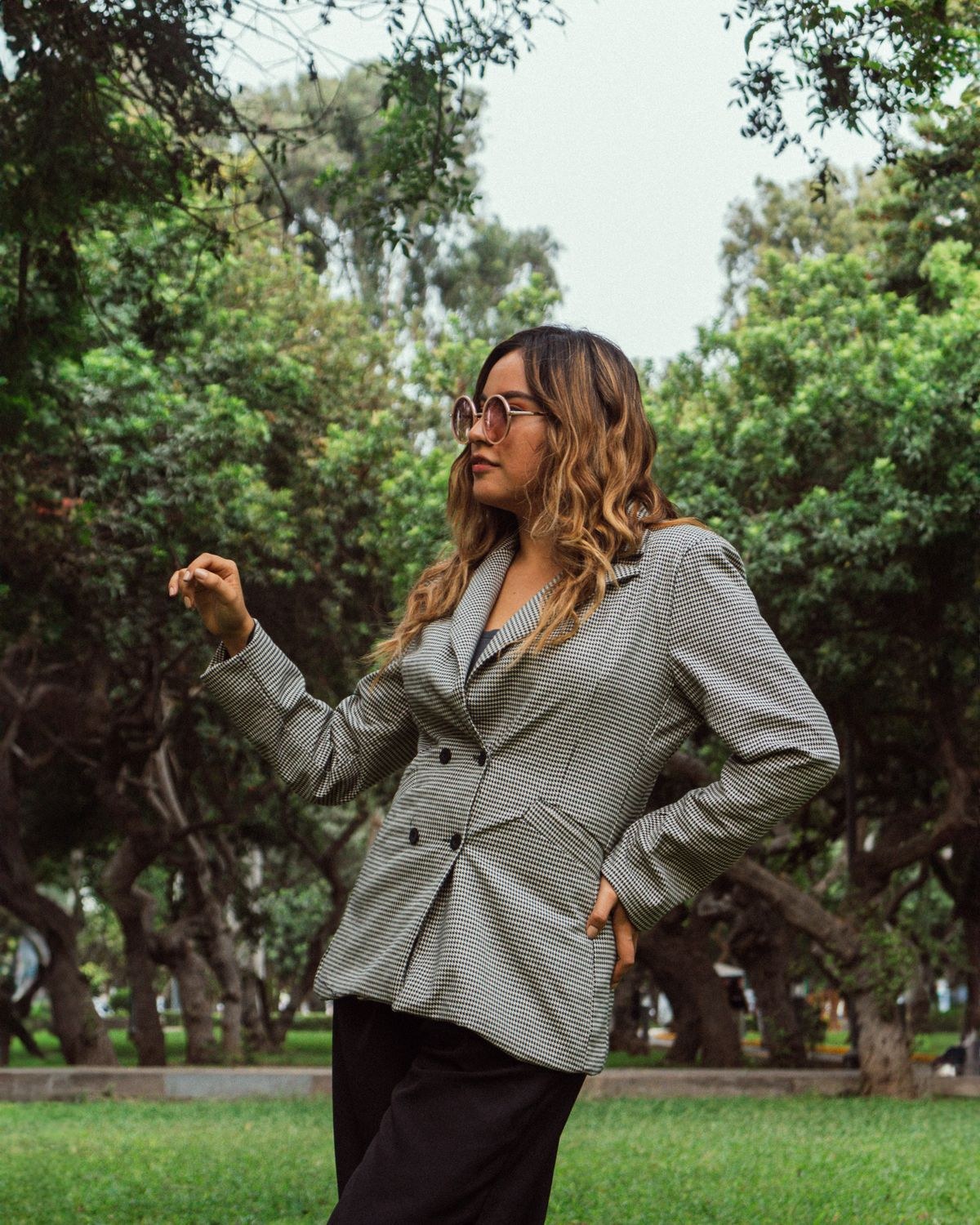
A defined shape can still leave room to move comfortably throughout the working day.
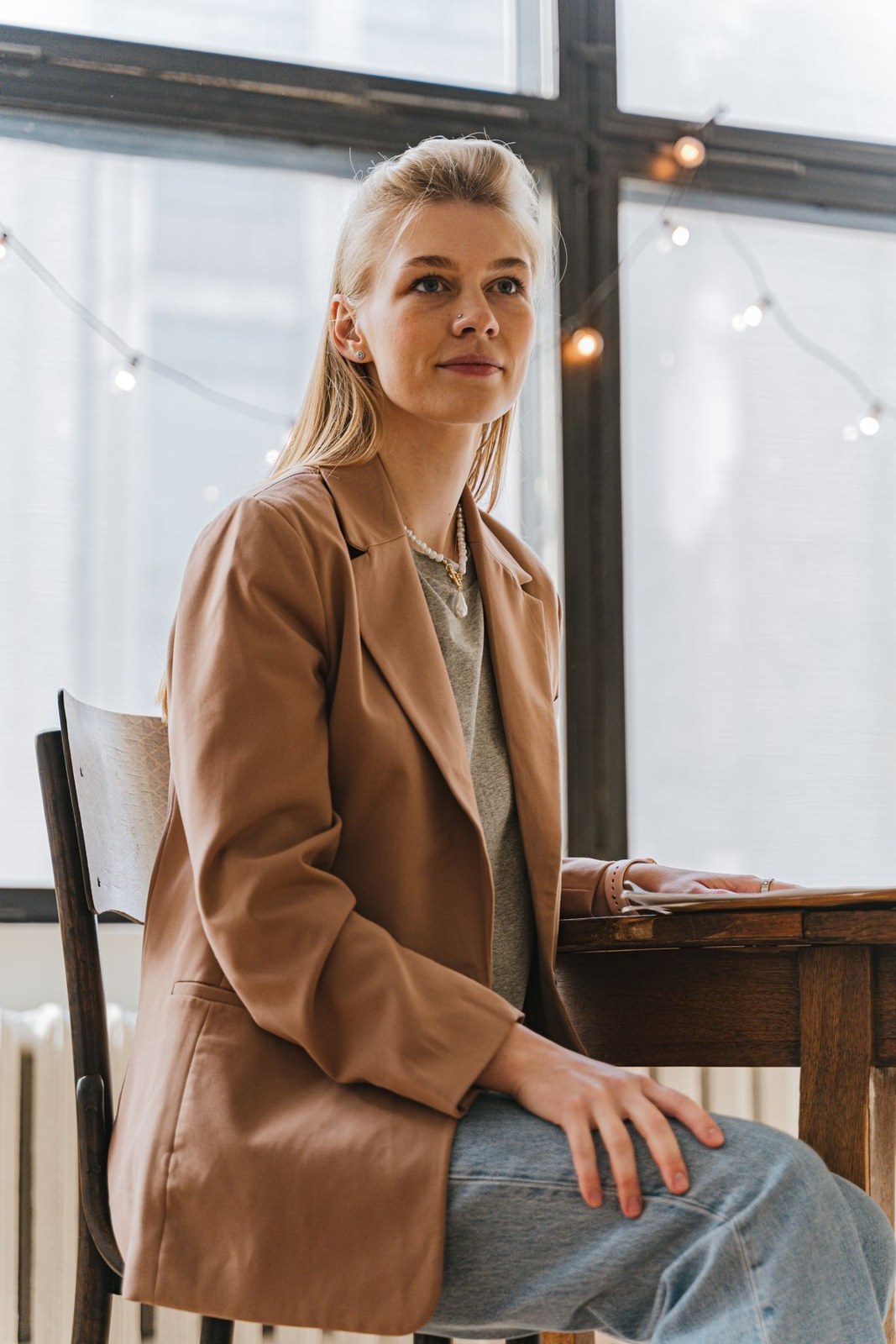
An uncomplicated combination that takes desk height, pockets and changing temperatures into account.
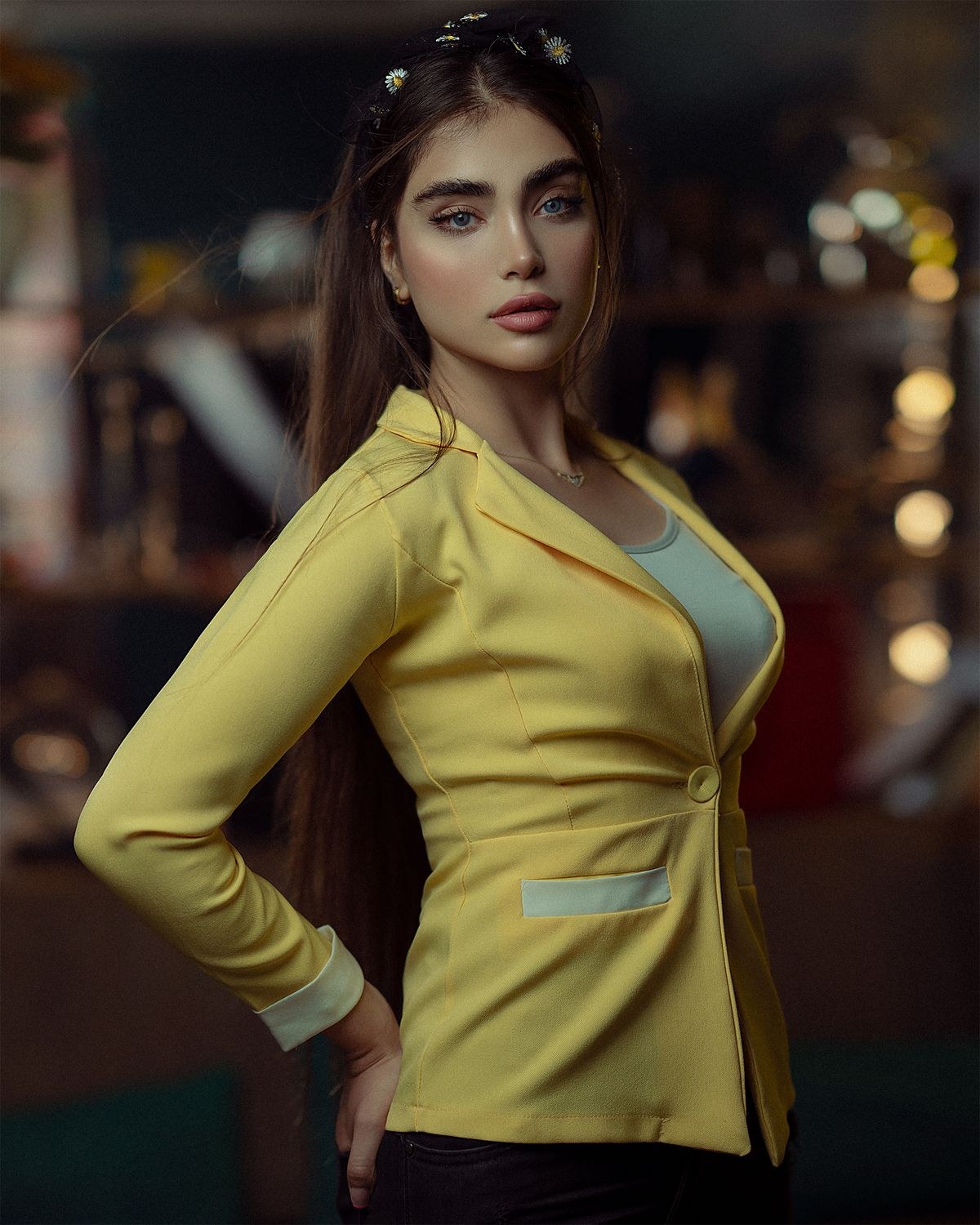
Contrasting edging already gives the jacket character. Keep the remaining combination easy to read.
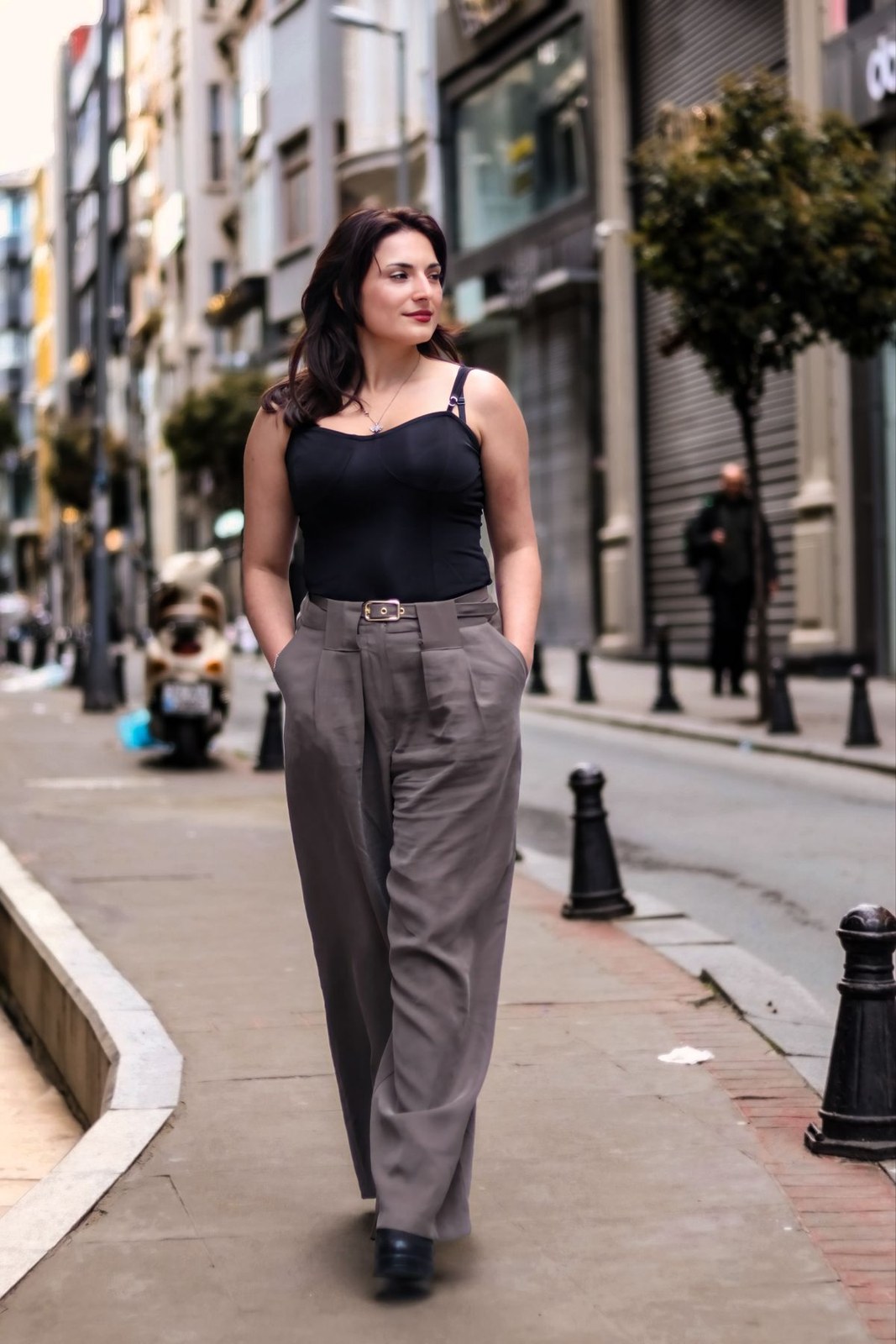
A defined neckline and wide trousers work best with a thoughtfully placed meeting point.
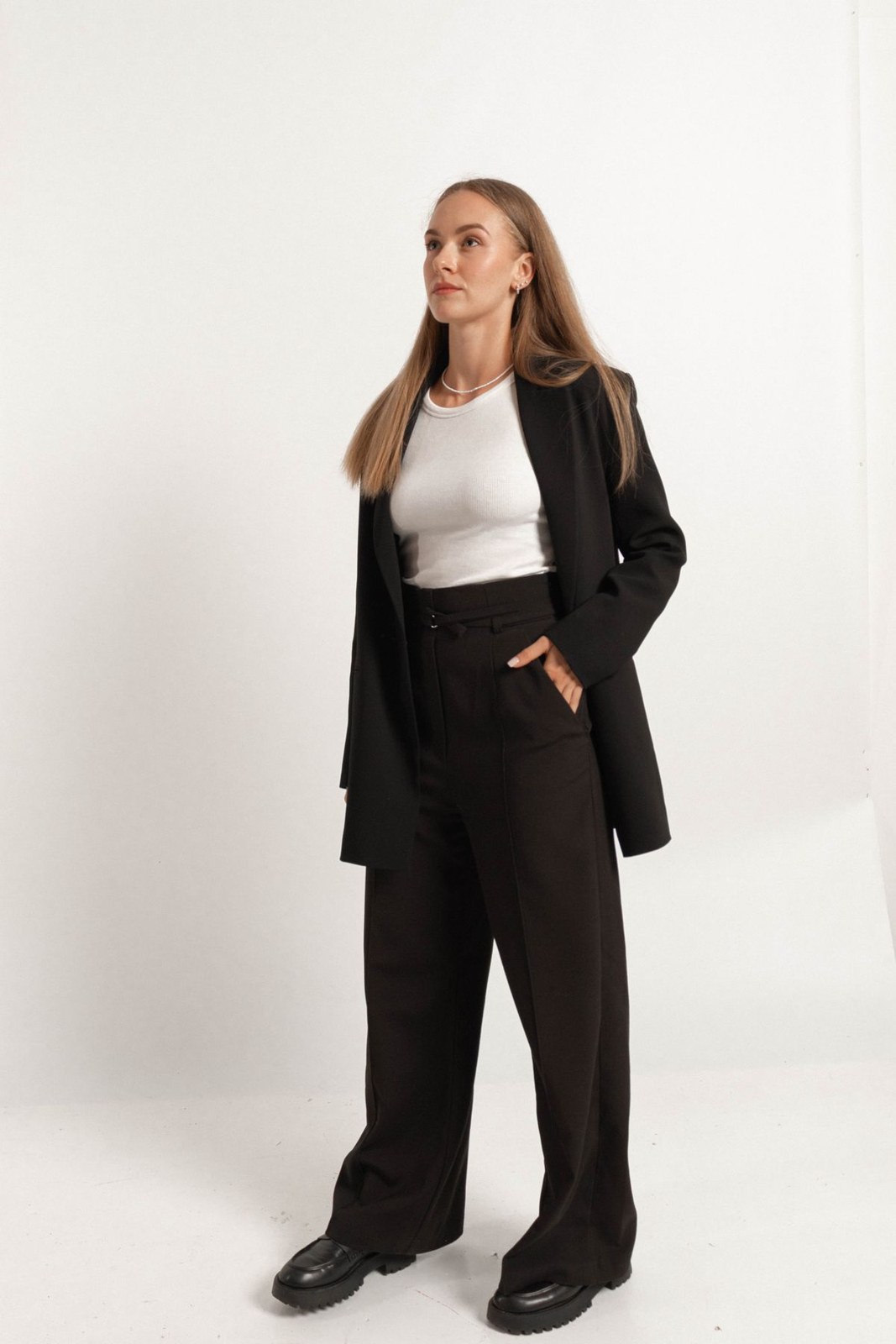
A white top separates the dark areas while the shoes give the outfit a defined finish.
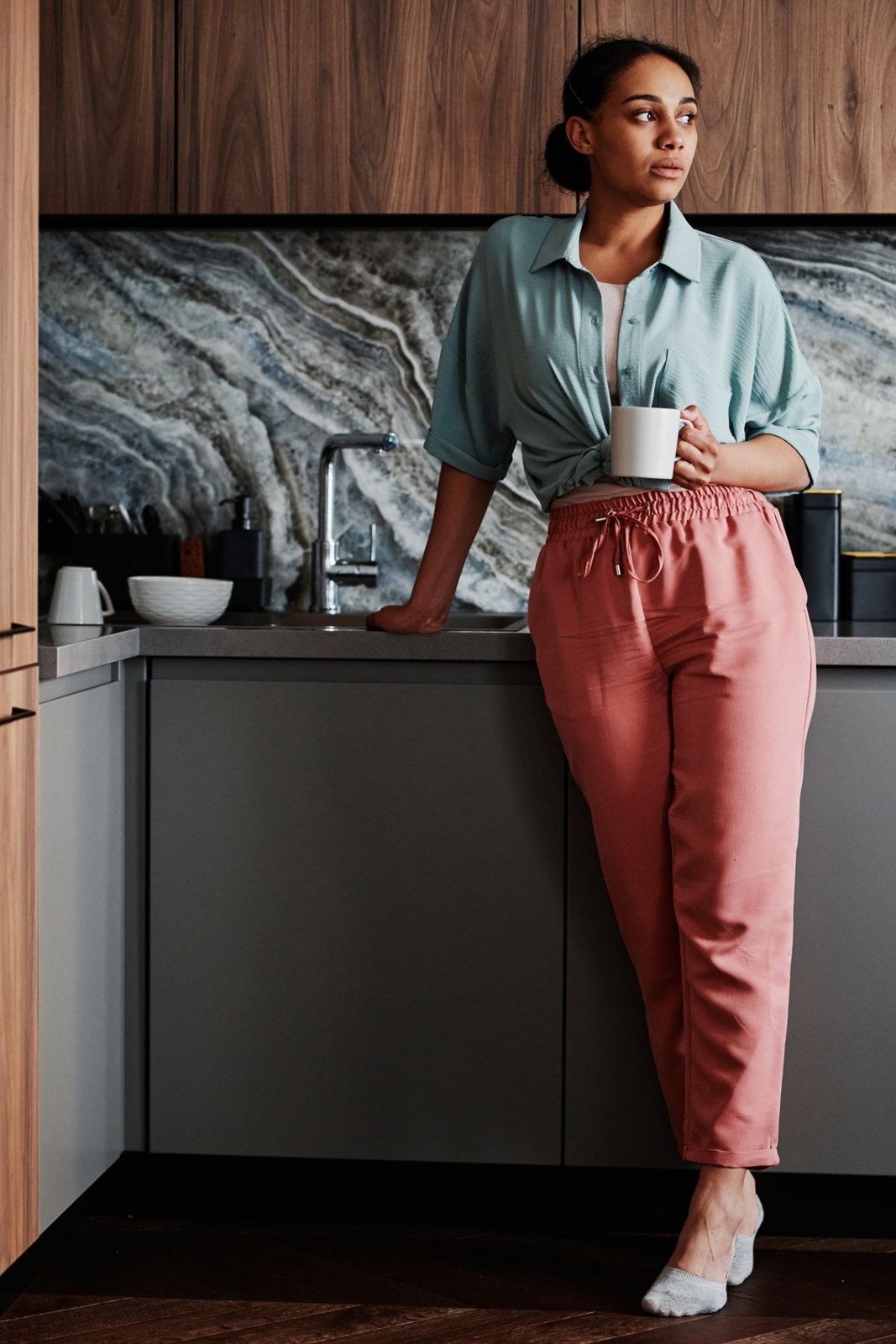
A cool shade and a warm shade bring variety to a straightforward office combination.
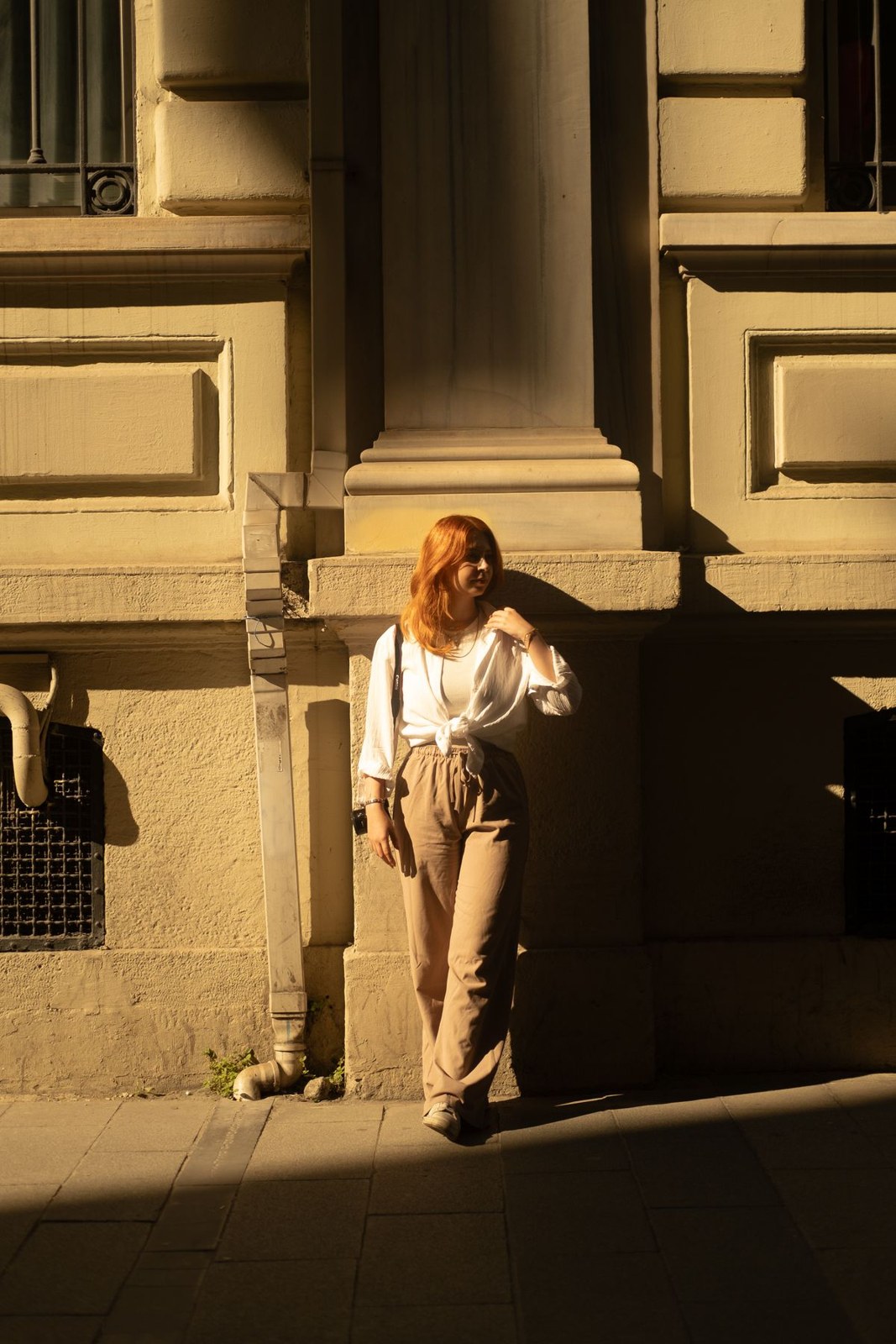
The amount of fabric at the waistband affects both comfort and the visible shape.
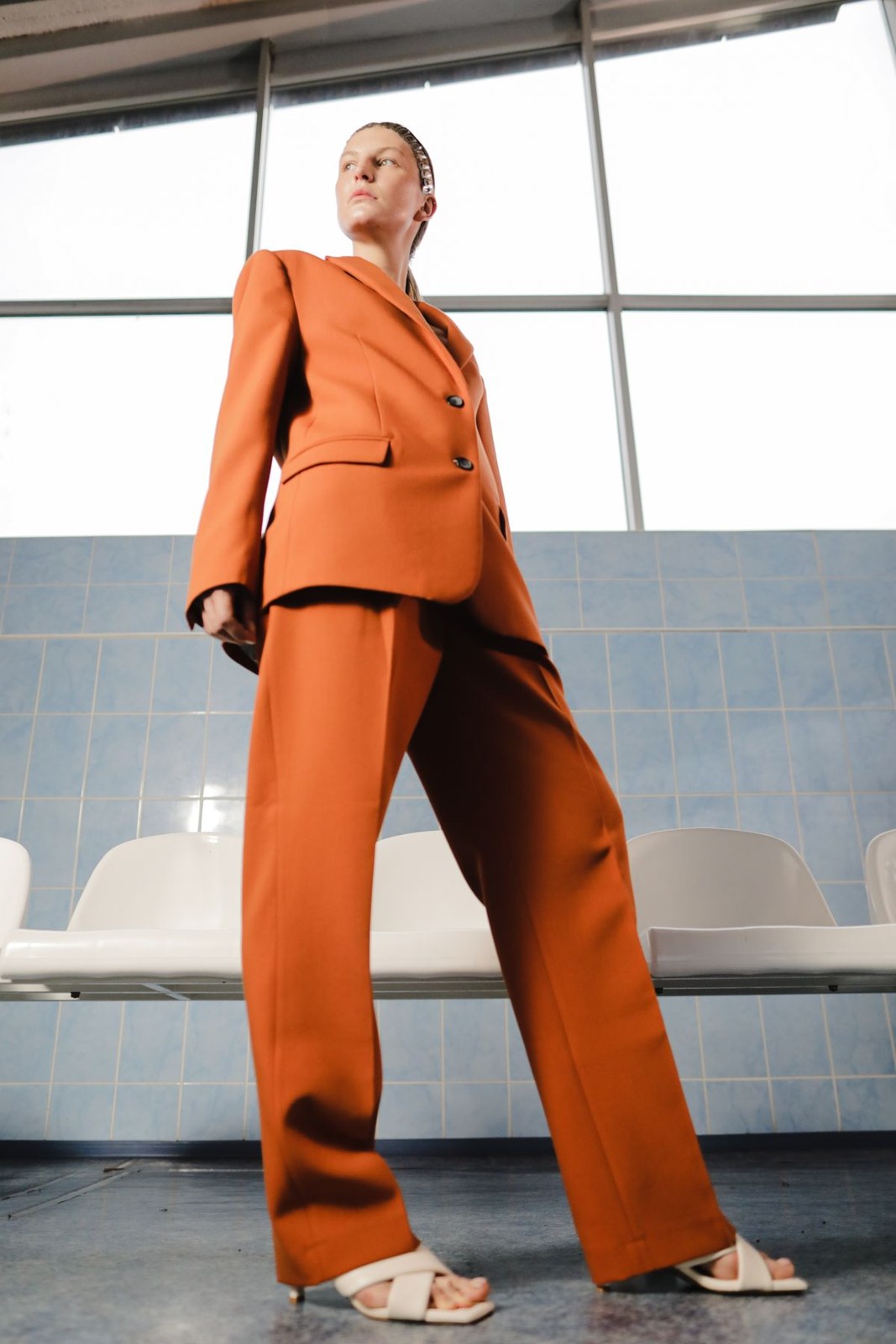
Keep a strong colour clear with a small number of considered supporting pieces.
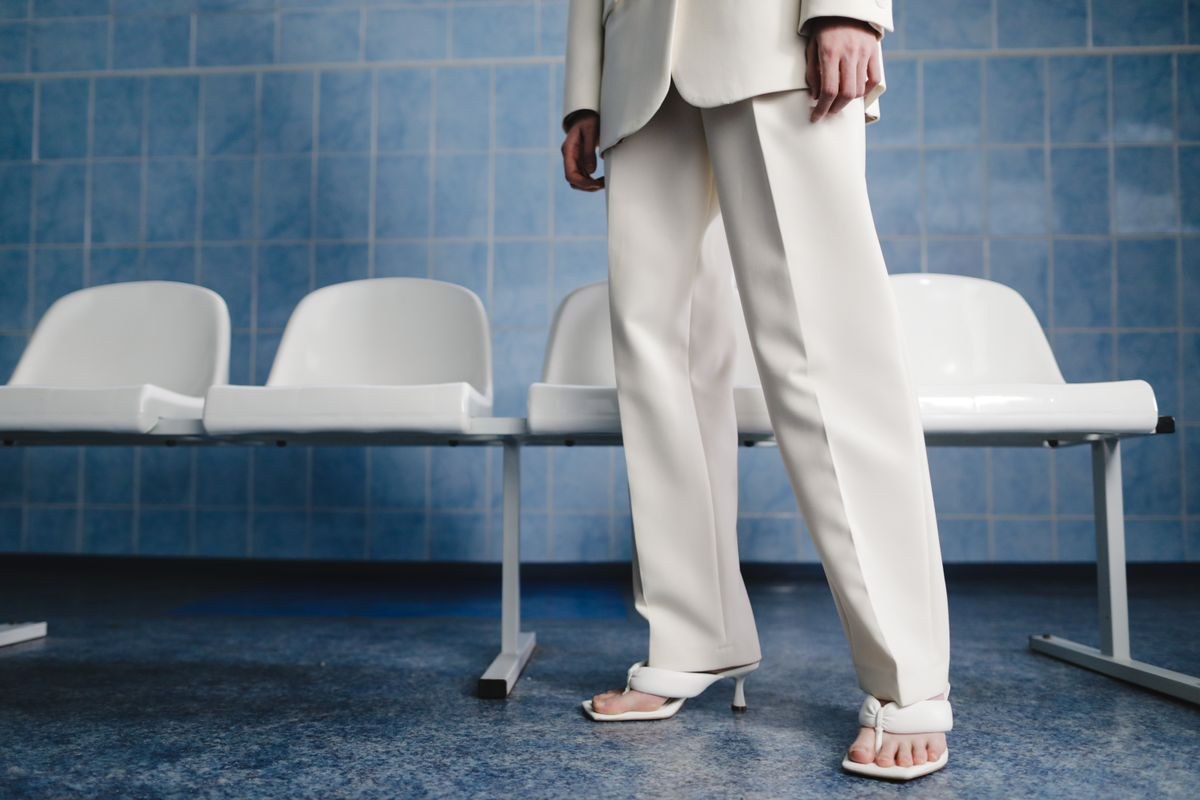
A small change in shoe height can alter the entire trouser line.
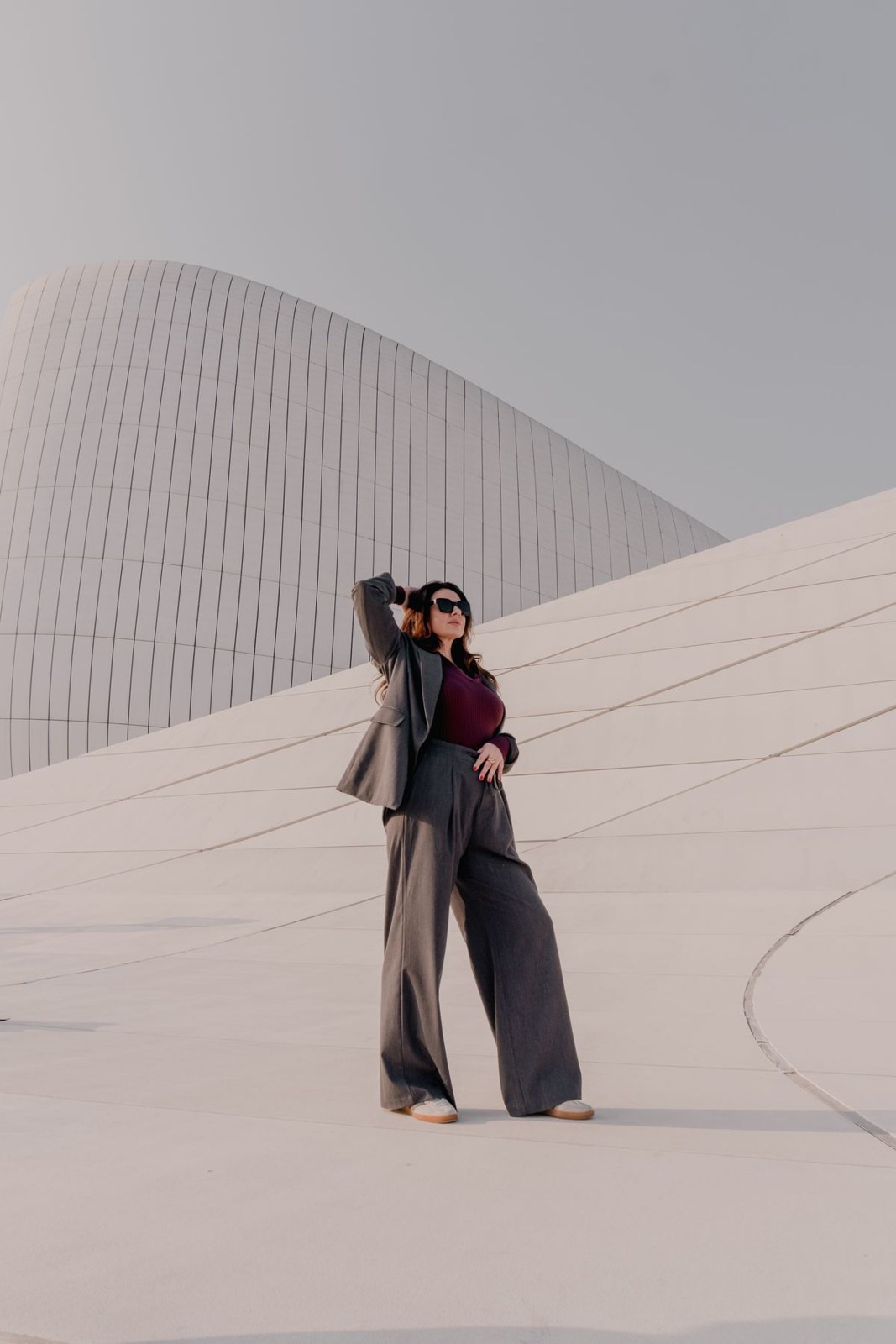
Prepare a long blazer, wide trousers and a dark-red top for changing temperatures.
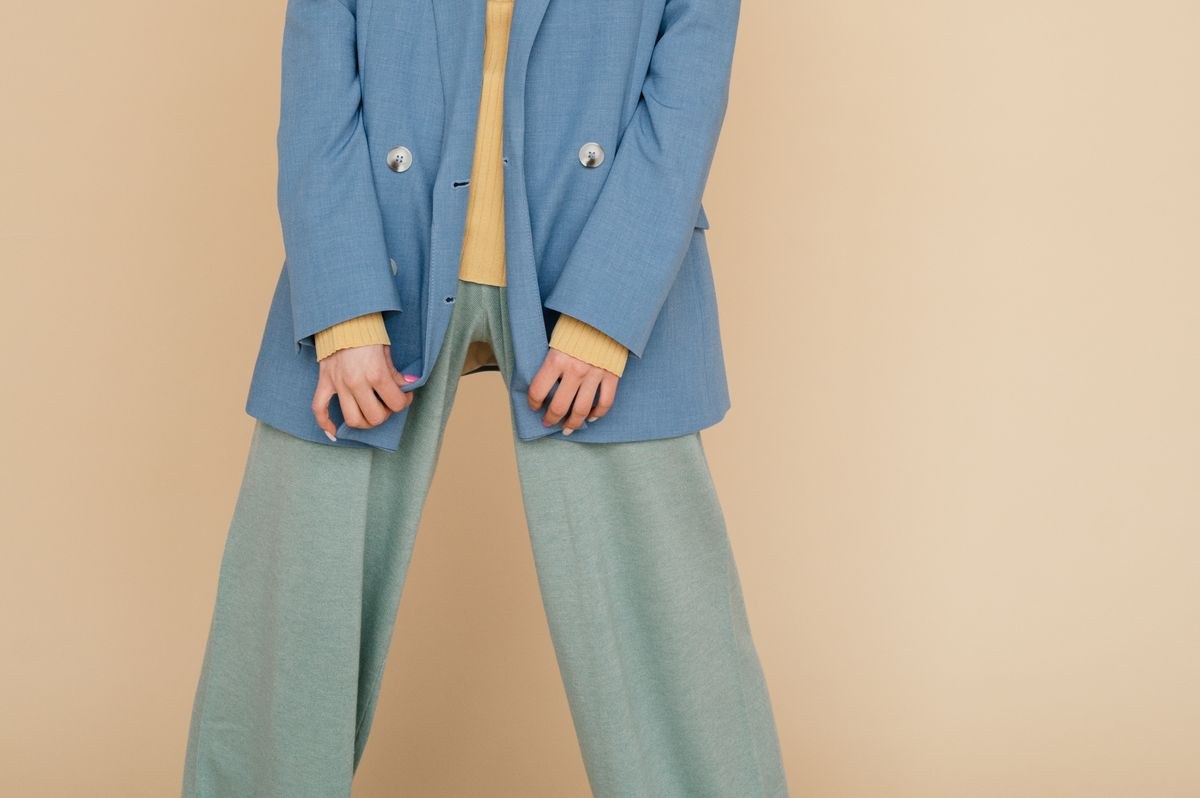
A small contrast at the sleeve does not require a collection of other yellow accessories.
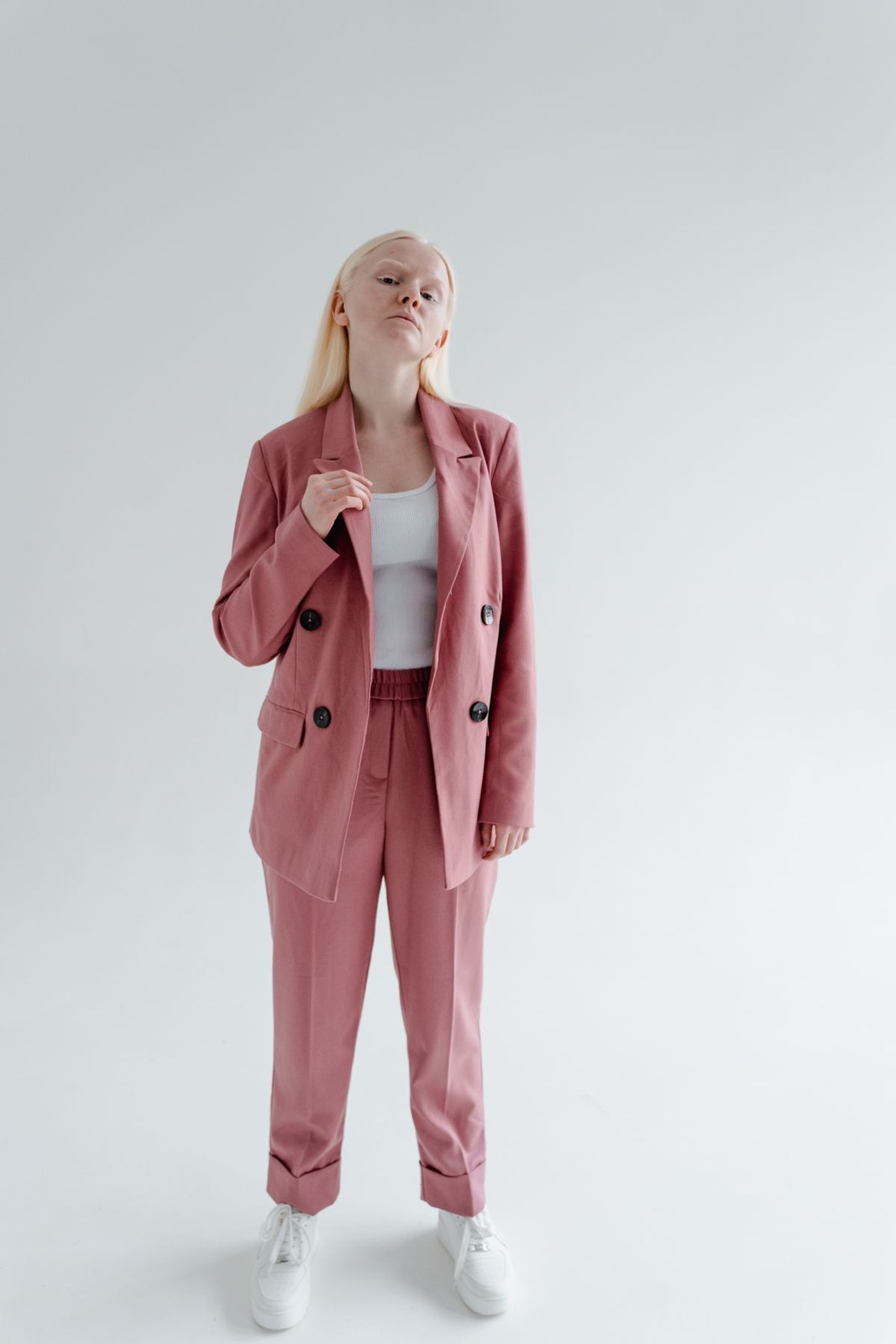
The shoes change the feel of the suit while keeping its defined shape useful.
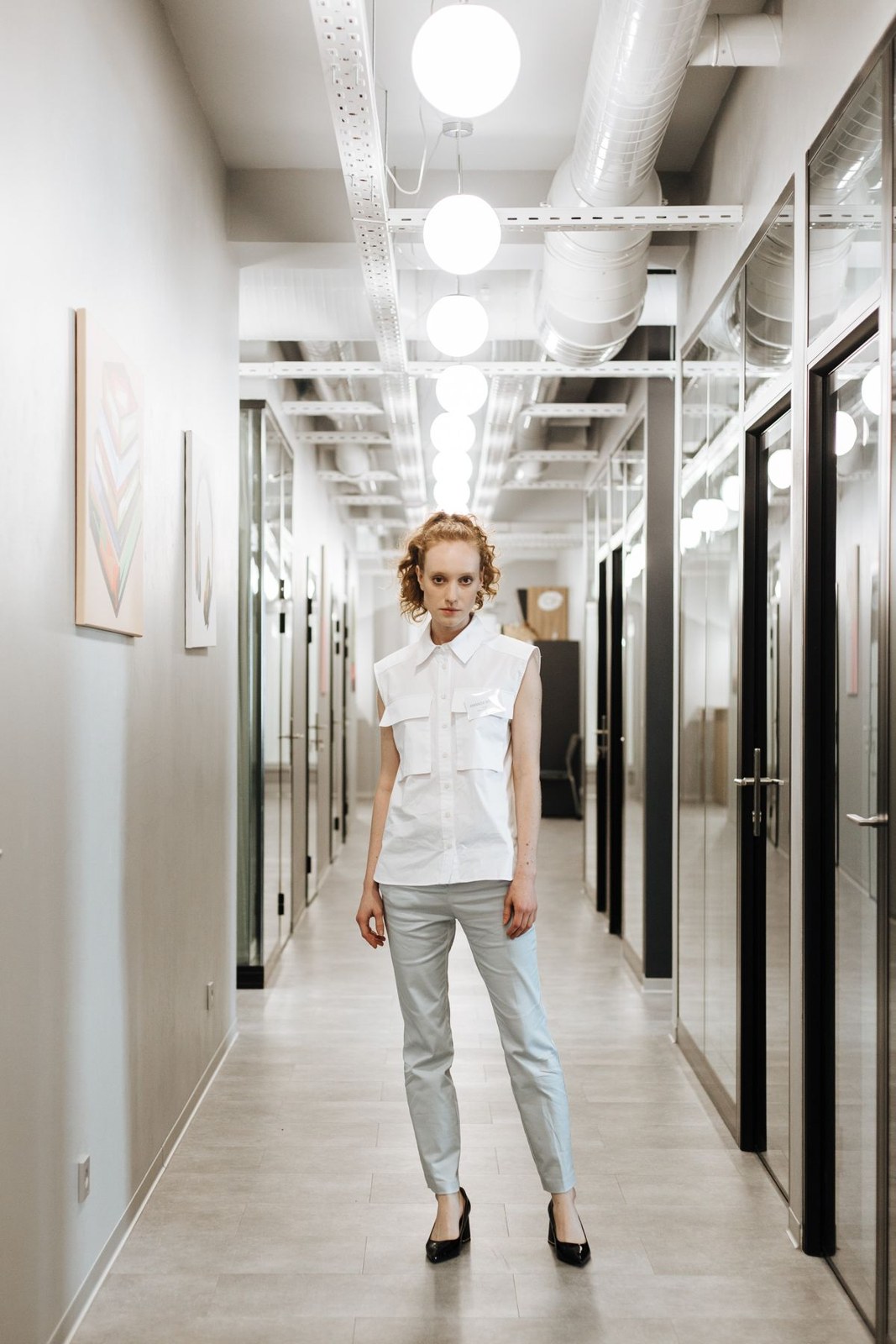
A light collared foundation that can take another layer when you need one.
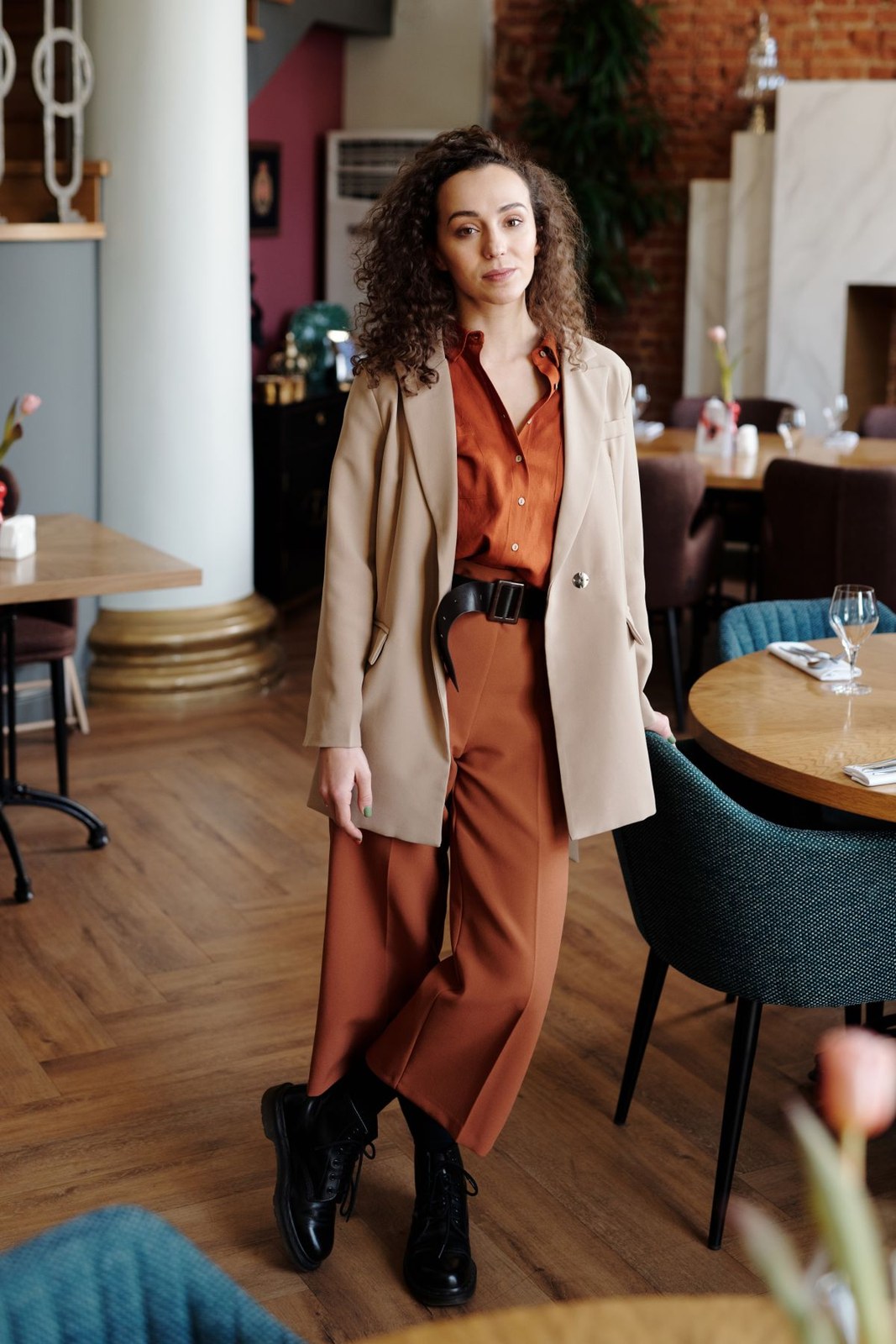
Arrange three visible finishing lines without hiding the dress beneath the jacket.
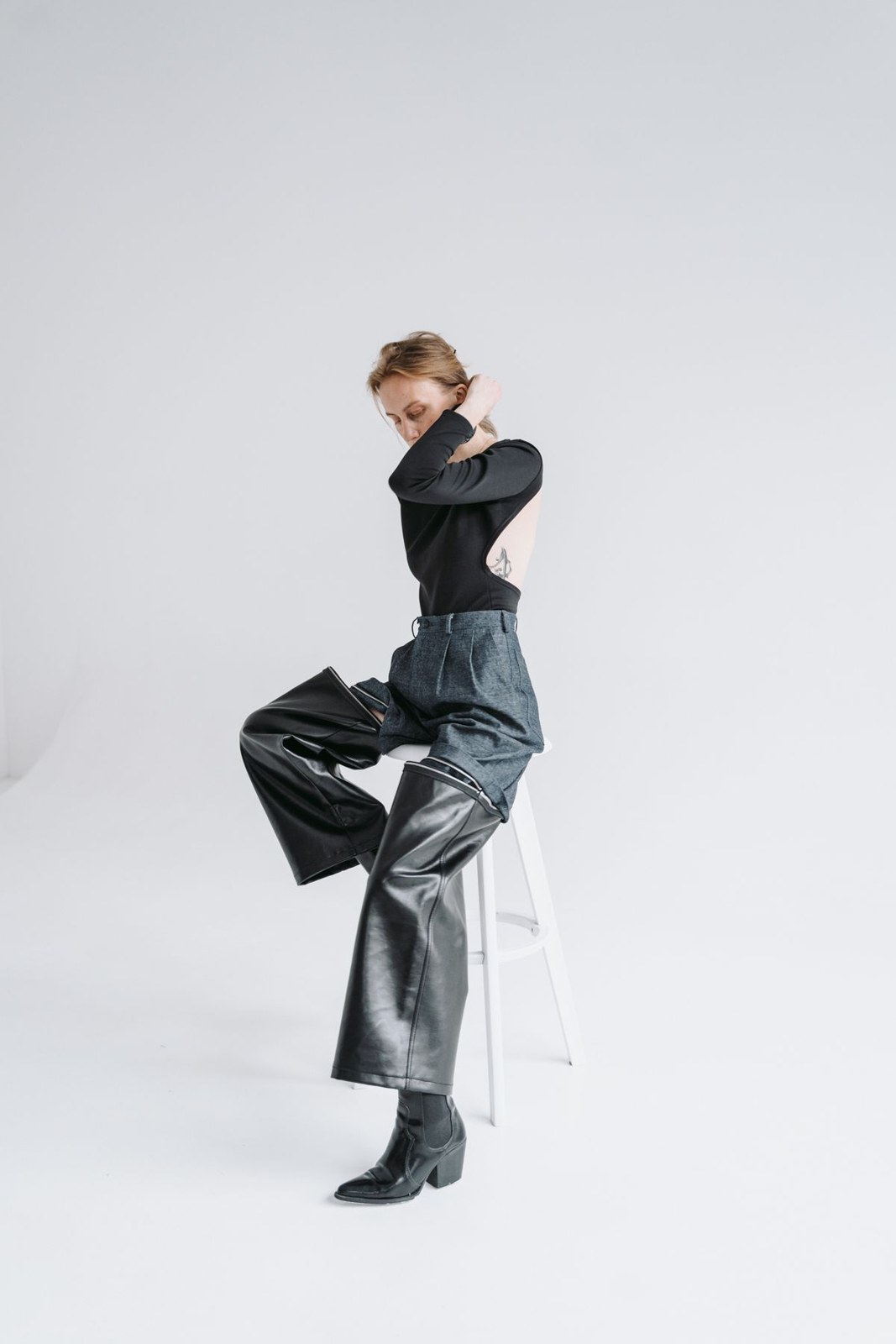
A quiet top makes a more noticeable trouser surface easier to combine.
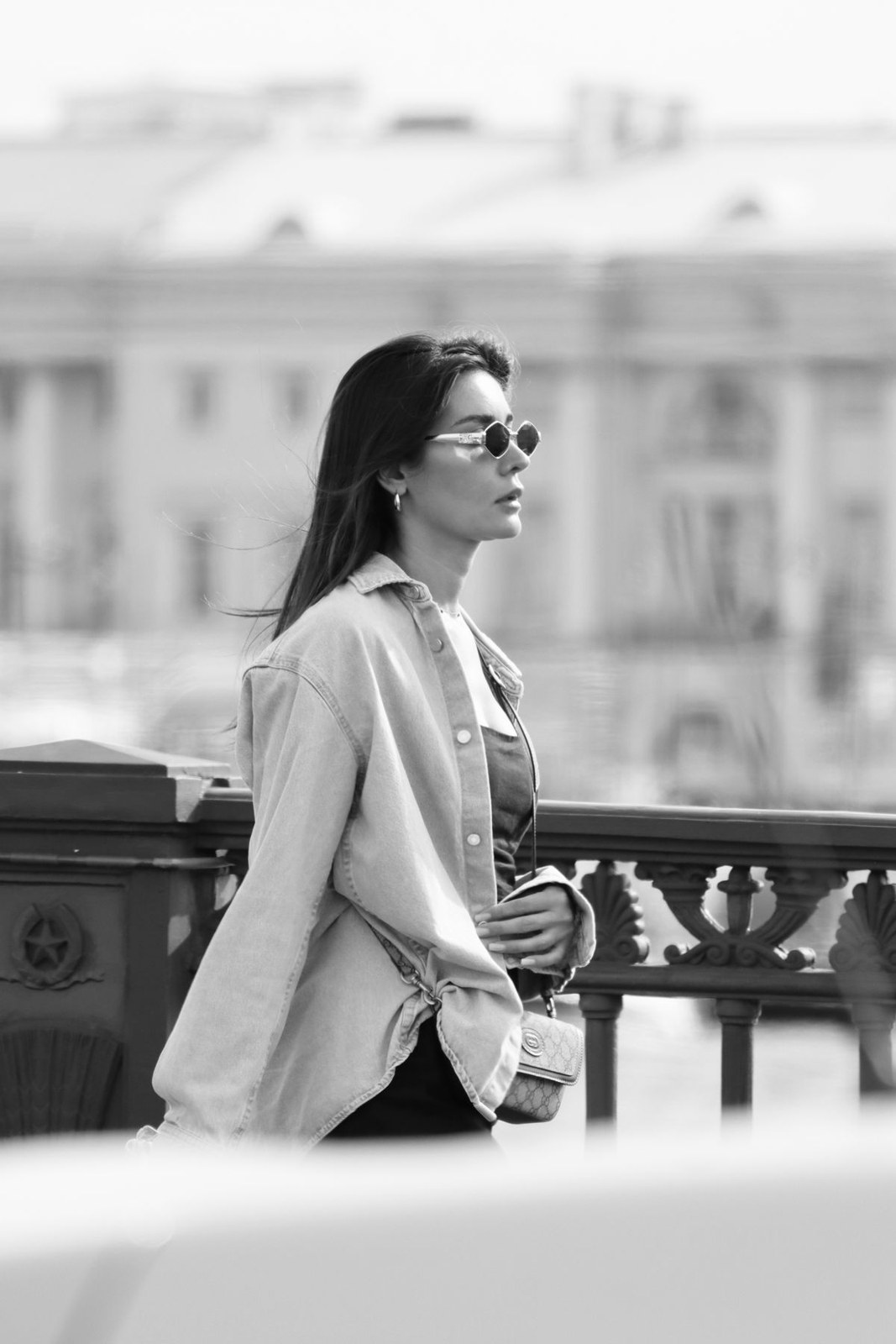
Different light levels can define an outfit even when the colour palette stays small.
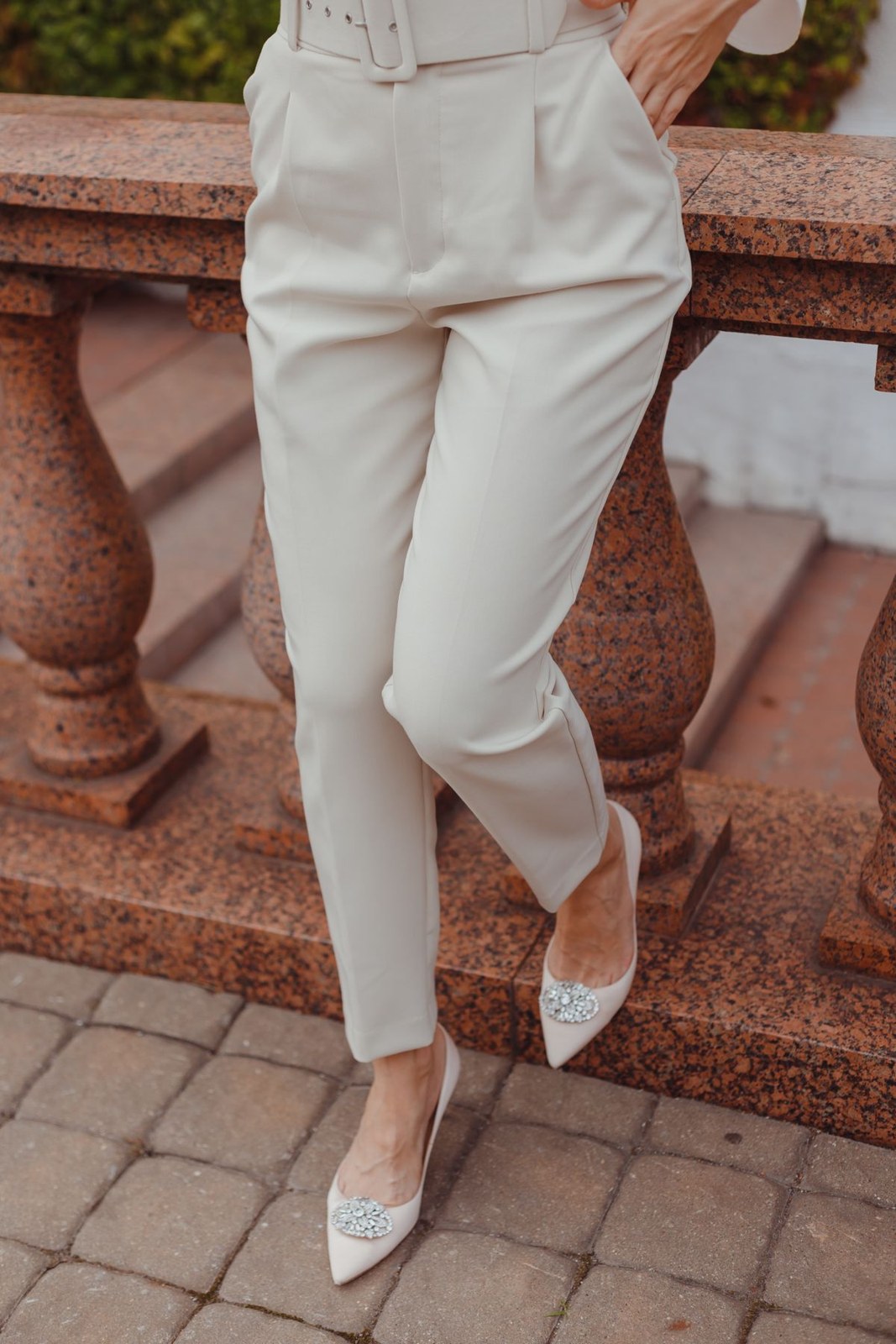
A belt in the trouser colour keeps the centre quiet and leaves the other pieces flexible.